


Innovativeness in the Traditional Industry

A joint venture of the Center for Innovation and Knowledge, Faculty of Industrial and Management, Technion and the Samuel Neaman Institute.
Science Communication

The mass media strongly influence the public’s understanding of – and engagement with – science and related policy issues. Print, broadcasted and online news form a major science related information source. However, scholarship has devoted little attention to communicating science in the Israeli context.
The Contribution of Large Companies to the National Economy
This project deals with the contribution of the large companies to the industrial and technological economy, in order to examine whether the existence of the large companies is essential to the industrial-business ecosystem. Related activities began in 2012, and continued in 2013 in cooperation with the economists Dr. Freeman and Yuval Niv. An additional partner in the project is Teva, which helps with the data required to assess its total contribution to the state’s economy.
The Development of Research Universities in Israel

Research universities in Israel have developed following the developments in the world. Beyond that, they play a major role in Israel’s economic, social, and cultural development. The work describes the major events and processes that took place over decades, during which several unique characteristics evolved, the distinguished academic status of the research universities was established, and the national significant contribution of the universities was formed.
The Evaluation of Demand and the Evolution of Sores of Knowledge in Sectors and Regions that are Knowledge-Intensive

This research was done within the framework of Pick-Me project – WP 5. The study analyzing data collected in a field survey of the ecosystem created by the RAD Bynet group of companies, which fostered some 130 startups of various types.
Adapting the Demand for Training Knowledge Workers in Local Labor Markets

This research was done within the framework of Pick-Me project – WP 6. In this study data gathered in an Israel Central Bureau of Statistics survey among more than 5,000 Israeli university and colleage graduates were analyzed. The survey examined the extent of the graduates’ integration into the labor market.
Innovation of Foreign R&D Centers in Israel: Evidence from Patent and Firm Level Data
The research sets out to investigate the impact of multinational companies (MNCs) on the Israeli economy in terms of demand for innovation.
Examining R&D Activity Areas, Infrastructure and Labor Force in Subjects Involving Space

This work was commissioned by the National Space Committee, the National Council for R&D. The objective of this study is to provide data and information to all entities operating in the field of space R&D on their role and the status of personnel and infrastructure at their disposal, in order to help the NCRD formulate a national plan for the development, preservation, and promotion of R&D in the field of space.
Bibliometric Mapping and Evaluation of Leading Research Groups in Life Sciences
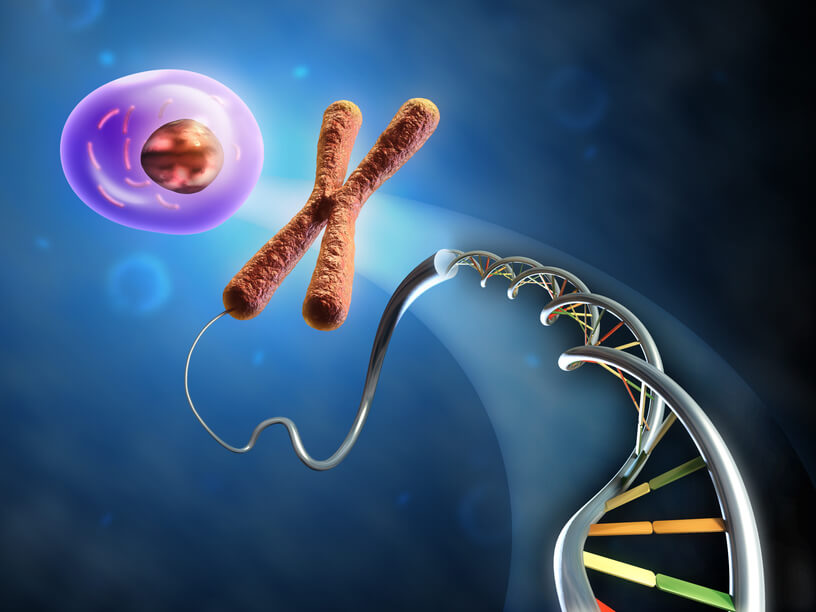
This work deals with the mapping of the leading researchers in the seven academic institutions in Israel (Hebrew University of Jerusalem, Tel Aviv University, Bar Ilan University, Haifa University, Ben-Gurion University of the Negev, the Weizmann Institute and the Technion – Israel Institute of Technology) in the following areas of life sciences: genomics, proteomics, bioinformatics, chemical genomics, and personalized medicine.
An Analysis of Israel’s Renewable Energy IndustryAn Analysis of the Renewable Energy Industry of Israel

This project began as part of a joint venture with the Newtech unit at the Ministry of Economics, and since 2015 it has continued with the funding of the Samuel Neaman Institute, as part of the Industrial Excellence Center. The goal of the project is to leverage Israel’s position as a leader in the field of renewable energy, including energy production and its integration into the energy system, efficiency improvements, and the development of fuel substitutes.