
Ancillary benefit assessment of JNF forests: physical and psychological well-being, cultural services, and economic aspects

The research is conducted in collaboration with the Shamir Research Institute.The study deals with how KKL-JNF forests contribute to the mental and physical health of their visitors and provide system services in the cultural and psychological aspects. The study focuses on the current contribution and possible ways to enhance it. Another aim of the study is to examine differences between Jewish and Arab societies in Israel in the way they benefit from the forests and to make recommendations from a cross-cultural perspective. The applied aim of the study is to provide recommendations regarding the management of the KKL-JNF forestry. How the JNF can produce higher awareness of the public and of professionals in the fields of health, culture, and sports concerning the potential contribution of forests.
Building a personal resilience through contact with nature in the times of Corona

The research is conducted in collaboration with the Shamir Research Institute. During the time of COVID-19 pandemic, the public in Israel has experienced various stressful events. Stressful life events often lead to psychological stress and impair health. Promoting personal resilience is therefore an essential part of adaptation in such times. The study focused on individuals’ emotional state, the contribution of various determinants for explaining it, and the ways exposure to nature under the restrictions may provide some relief.
‘Common Ground’: Agreed Road Map for Long-Term National Paradigms

A Strategic thinking process for the state of Israel is presented. The preliminary stage is based on interviews of 32 prominent Israelis, from diverse walks of life, we find a wide common ground in considering the ‘Declaration of Independence’ (1948) to be Israel’s ‘organizing principle’ for the coming decades. Updating the ‘rules of the game’ and broad sense of security are the needed enablers. The project leads to a process of re-consideration of paradigms in education, Jewish-Democratic state, moral market economy, ‘Mamlakhtiut’ – statehood, Israel in the Middle East, and foreign affairs.
Technion’s Contribution to Israel and to the Development of Technology in the World, Through Its Graduates
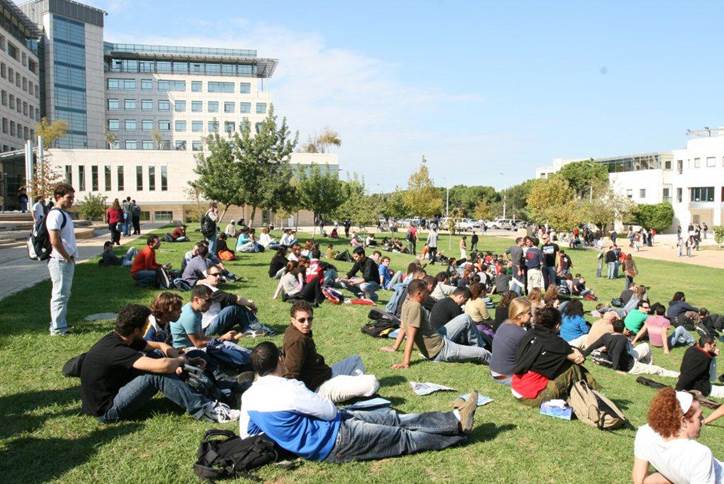
This project documents the contribution of Technion faculty and graduates, to Israel and to humanity. It includes a Web-based survey of Technion graduates, to which over 4,000 alumni/ae responded. The results of the survey were analyzed and processed; we extrapolated the data to represent the population of all Technion graduates since the Technion was founded.
Innovation in the Service Sector

This initiative by the Samuel Neaman Institute with joint funding of SNI and the Chief Scientist at the Ministry of Industry, Trade and Labor, is designed to examine innovation in the service sector for the first time in Israel.
Policy Incentives for Knowledge Creation

The project is implemented under the Seventh Program of the European Union (FP7), a consortium that consists of seven countries (Italy, Germany, France, Spain, Poland, the UK, and Israel). The purpose of the project is to examine empirically the role of the demand side in the creation of technological knowledge, recognition of technological and organizational innovation, and encouraging the increase in productivity. The project is formally complete and our contribution was expressed in five outputs.
Excellence in Mathematics in the Ultra-Orthodox Community

This is an exploratory study, solicited by the Trump Foundation in Israel, aimed at the assessment of the potential for excellence in Math and Physics studies within the current Haredi Educational System. The study illuminates some of the recent transformations occurring in this regard, both within the Yeshivot of the Haredi men, as well among the Haredi women’s education system, predominantly the Beit-Ya’akov schools. The report concludes by forecasting, cautiously, an imminent trend change towards a legitimate growing of excellence in mathematics among various sections in the Haredi society.
Wheels of Life in Israel
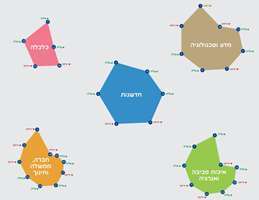
The “Wheels of Life” project was launched in 2013, in order to compare Israel’s performance with the performance of other countries in five main dimensions of Israel’s society: economics, innovation, science and technology, society-governance- education, environment, and energy. The data source used for comparative analysis is the World Competitiveness Yearbook of the IMD School of Management, a leading business school in Lausanne, Switzerland, which presents data on a wide range of global competitiveness variables in 60 countries.
Entrepreneurship at the Technion
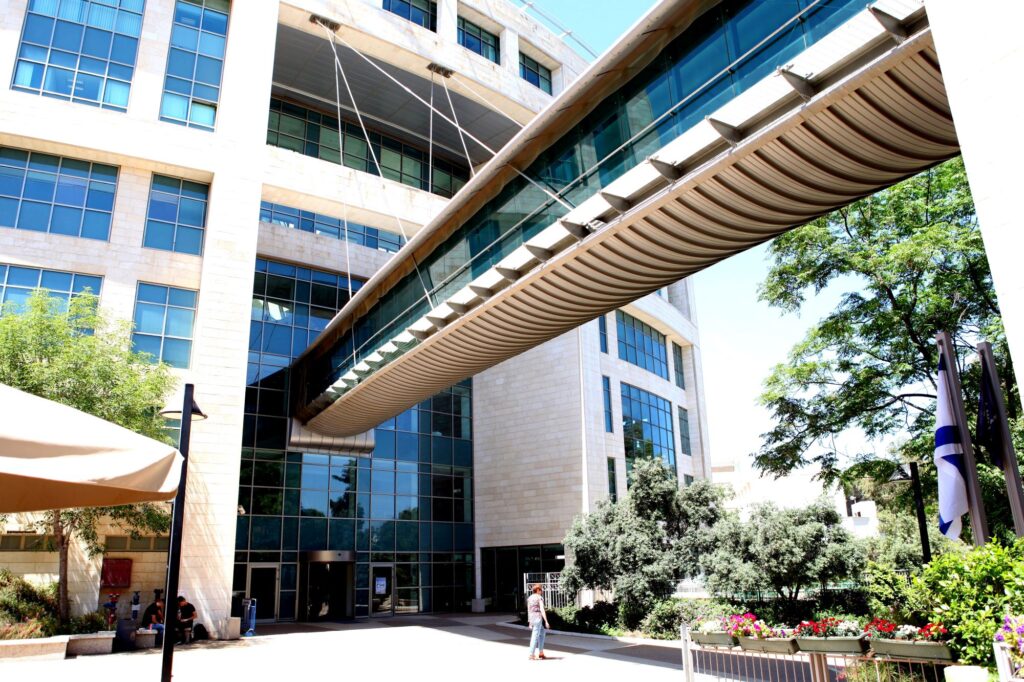
This report was prepared at the initiative and at the request of the Technion Board and was intended to serve as background material for the purpose of formulating the Technion’s policy in the field of entrepreneurship.
Issues for Formulating a Metropolitan Plan in the North
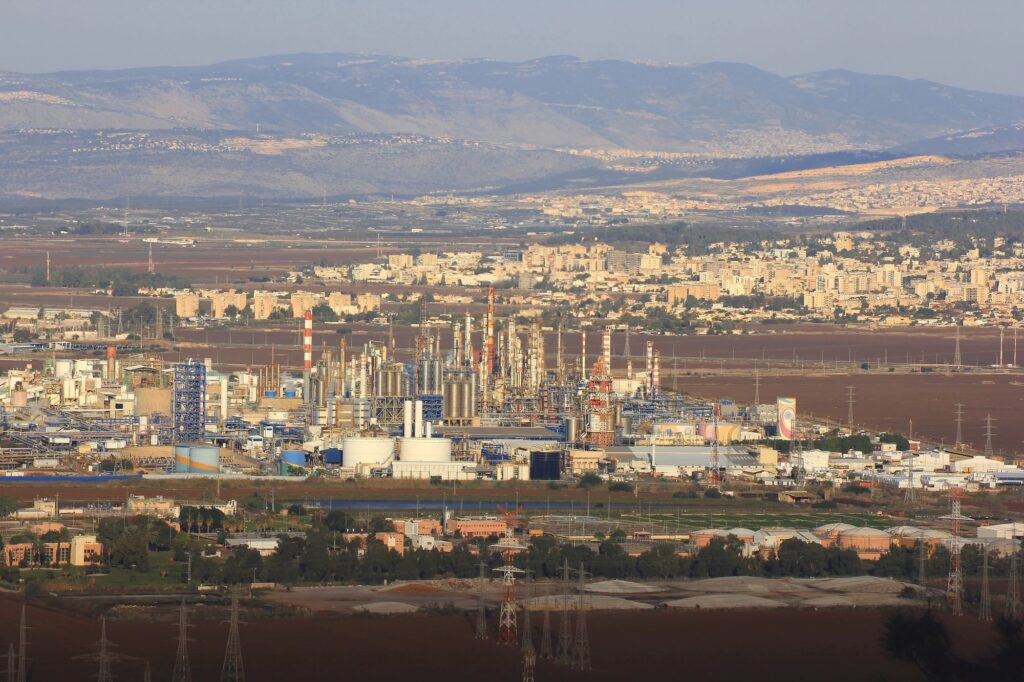
The promotion and positioning of the northern region as an attractive metropolis for industry and the Israeli public is constantly on the public agenda.