


Adapting the Demand for Training Knowledge Workers in Local Labor Markets

This research was done within the framework of Pick-Me project – WP 6. In this study data gathered in an Israel Central Bureau of Statistics survey among more than 5,000 Israeli university and colleage graduates were analyzed. The survey examined the extent of the graduates’ integration into the labor market.
Examining R&D Activity Areas, Infrastructure and Labor Force in Subjects Involving Space

This work was commissioned by the National Space Committee, the National Council for R&D. The objective of this study is to provide data and information to all entities operating in the field of space R&D on their role and the status of personnel and infrastructure at their disposal, in order to help the NCRD formulate a national plan for the development, preservation, and promotion of R&D in the field of space.
Bibliometric Mapping and Evaluation of Leading Research Groups in Life Sciences

This work deals with the mapping of the leading researchers in the seven academic institutions in Israel (Hebrew University of Jerusalem, Tel Aviv University, Bar Ilan University, Haifa University, Ben-Gurion University of the Negev, the Weizmann Institute and the Technion – Israel Institute of Technology) in the following areas of life sciences: genomics, proteomics, bioinformatics, chemical genomics, and personalized medicine.
An Analysis of Israel’s Renewable Energy IndustryAn Analysis of the Renewable Energy Industry of Israel

This project began as part of a joint venture with the Newtech unit at the Ministry of Economics, and since 2015 it has continued with the funding of the Samuel Neaman Institute, as part of the Industrial Excellence Center. The goal of the project is to leverage Israel’s position as a leader in the field of renewable energy, including energy production and its integration into the energy system, efficiency improvements, and the development of fuel substitutes.
Advanced Manufacturing – Formulating a National Policy

This study is intended to formulate a national policy proposal for promoting and implementing advanced manufacturing in Israel and help in its implementation.
Strengthening the Integration of the Arab Population into the Industry and the Economy – A Strategy for the Galilee Society

SNI in collaboration with the Galilee Society, which is a regional R&D center supported by the Ministry of Science, are working together to strengthen a stable regional center that promotes knowledge industries and unified Jewish-Arab economics in the north.
the construction of an insdustrial park in the areas of shfara’am
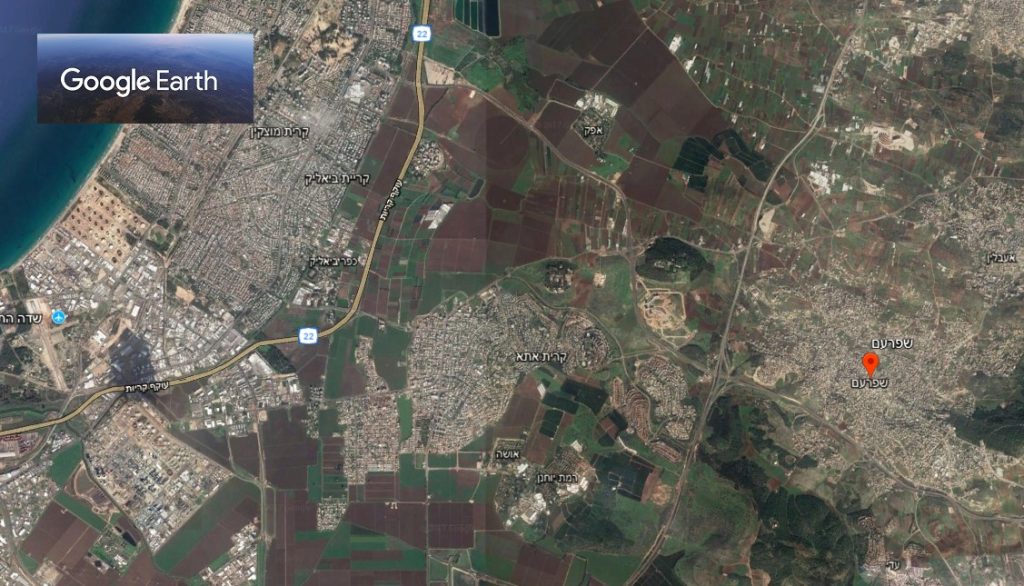
A master plan for the construction of a new industrial park at the closed quarry of Shfar’am, consolidates a recommended strategy for the new industrial zone in Shfar’am, to be built in the quarry adjacent to the eastern side of the town of Shefar’am. For the first time in Israel, an Arab municipality is leading a significant process of promoting the combined Jewish-Arab economy.
Insects in the Service of Man

Insects are of fundamental importance to the ecosystem, and their existence is critical for human survival. Insects play a variety of roles in the service of man, while the research of the full potential inherent in them is still in various stages.
An Innovative Approach for Measuring the Digital Divide in Israel: Digital Trace Data as Means for Formulating Policy Guidelines

In recent years, the study of digital divide is becoming increasingly important for policy formulation, as well as the evaluation of policy and interventions. A wide array of qualitative and quantitative methods has been used over the years to measure the scope of the digital divide between countries and various populations groups and to identify the main factors affecting it. These methods include surveys, structured interviews, open questionnaires and indicator analyses. While very useful and important, these “self-report” methods are obtrusive and very costly, thus unreplicable.
National Policy on the Use of Natural Gas
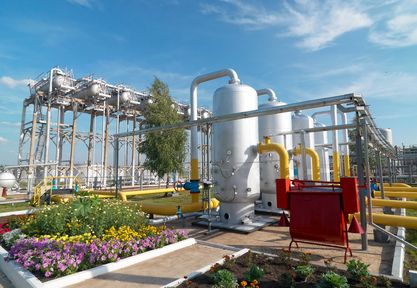
The application of natural gas in industry requires that the dilemma concerning its transportation in Israel be studied. According to the solution that was selected, a government company transports the gas to the distribution centers and to the largest consumers, but transport to smaller industries is left to private enterprises. We believe that this leads to small and medium industries having an unequal opportunity to realize the benefits of natural gas, and that the present design will mainly affect classic industries, whose energy costs constitute a significant part of their expenses, and whose profits do not allow them to be competitive without replacing liquid fuel with natural gas.