
Geothermal energy – Alternatives assessment and environmental regulation
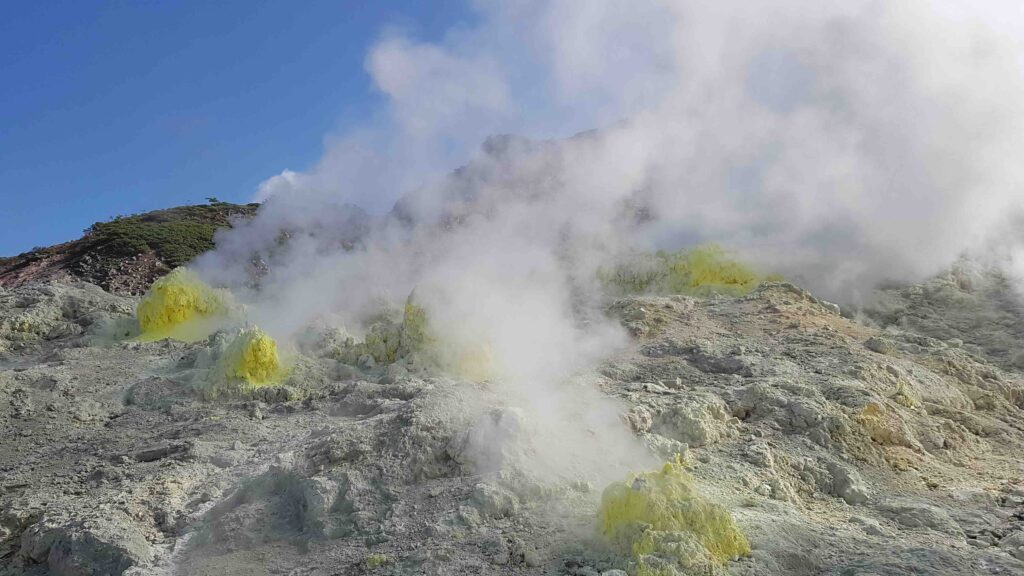
* The research is a chapter in a dedicated Geothermal Regulation report generated by EnergyCom [The full report] Energy-generation facilities affect the environment at every stage of their life cycle. Globally, environmental regulation of geothermal facilities includes the assessments of potential effects on natural resources (Environmental Impact Assessments—EIA) and quantification of expected impacts through Life […]
The National Plan to Reduce Food Loss and Waste
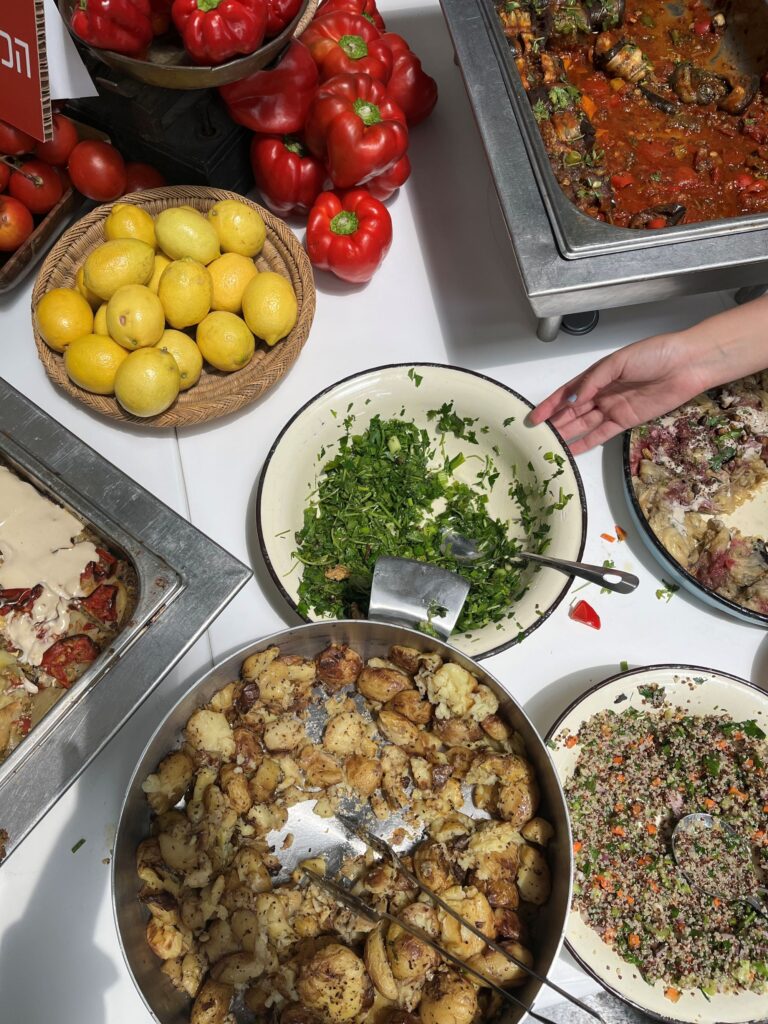
The Ministry of Environmental Protection led the development of the national program, in collaboration with the Ministry of Agriculture and Food Security, with professional support from the Environment and Energy Cluster at Samuel Neaman Institute.
Water and Land Resources in Israel, 2050
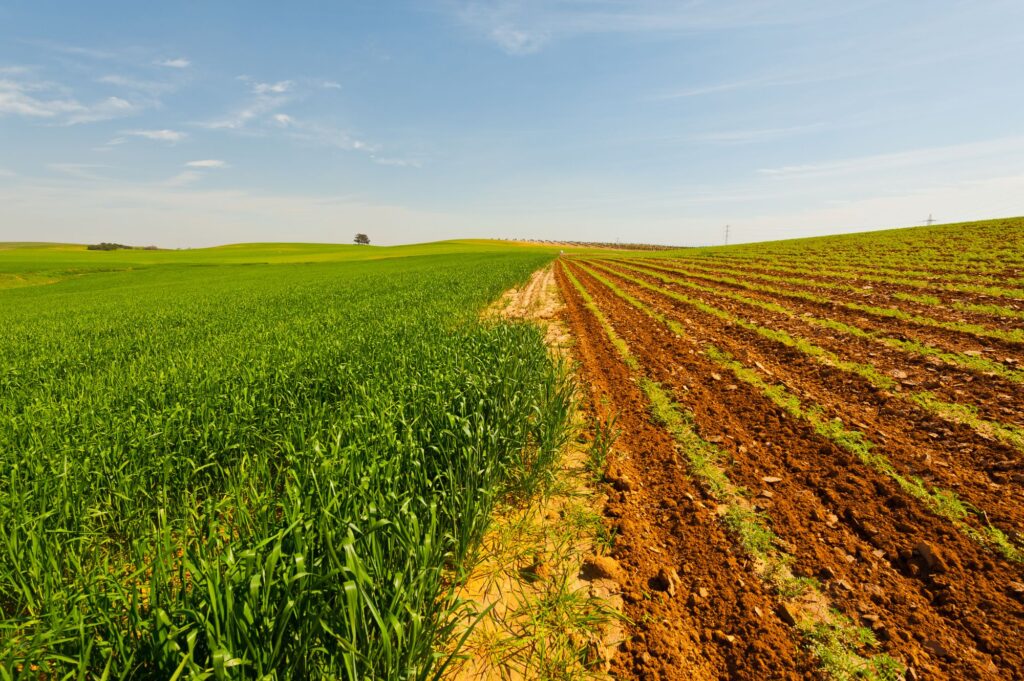
This report examines the land and water resources required to meet Israel’s food security goals for 2050, with a focus on crop-based agriculture. Its objectives are to assess the current situation, estimate future needs, identify resource gaps, and propose measures to address them.
Geothermal Energy – the Application Potential at the Golan Heights

To assess the feasibility of deriving benefits from geothermal energy in the Golan heights, the Samuel Neaman Institute convened a stakeholder forum to discuss the geothermal geo-physical potential, possible applications, policy requirements, and environmental considerations. Participants included representatives from the Geological Survey of Israel, the Ministry of Energy, the Water Authority, the Ramat Golan Regional Council, and various Israeli companies whose operations are based on heat energy—such as Ormat, Enogia, OASIX, among others.
Book launch event for Prof. Meirav Aharon-Gutman’s book – “Standing on Their Own: On Urban Sociology and Mizrahiyut in Israel”

This report presents the proceedings of a conference held to mark the launch of Prof. Meirav Aharon-Gutman’s book, Standing on their own : on urban sociology and Mizrahiyut in Israel (2025).
It includes not only congratulations and commendations for the author and her work, but also a series of lectures by leading scholars addressing the book’s central themes.
Assessment of the Environmental Conditions within the Arab Community
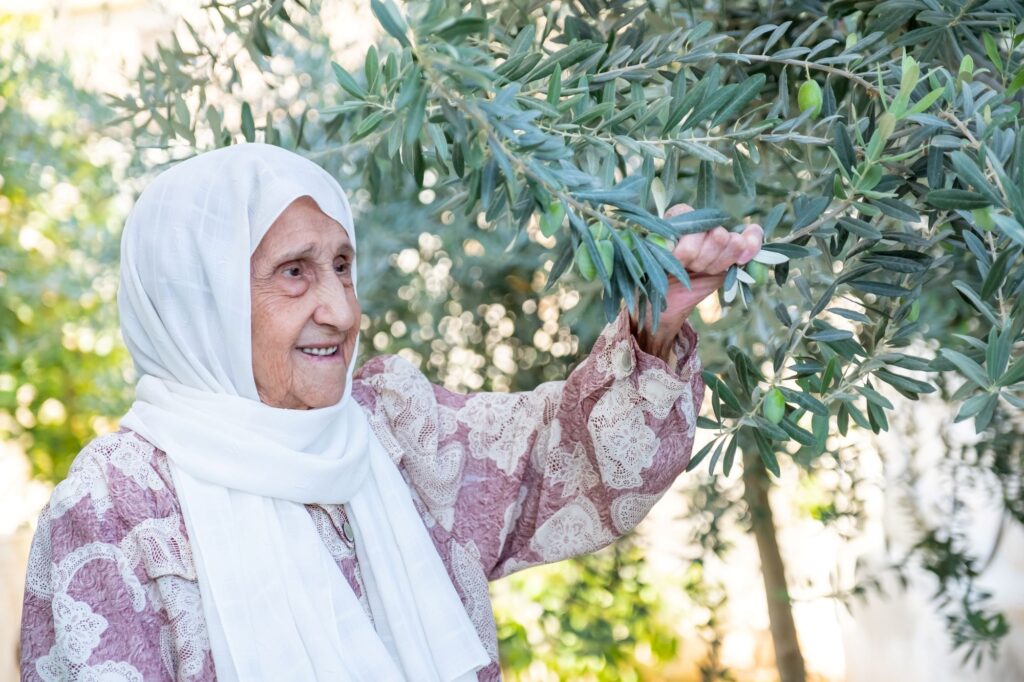
The purpose of this review of the environmental status within Arab authorities is to identify success stories, key challenges, and opportunities for change in the environmental landscape of the Arab community, particularly in the areas of sustainable development and environmental infrastructure.
Food Security 2050 – Economic-Environmental Assessment
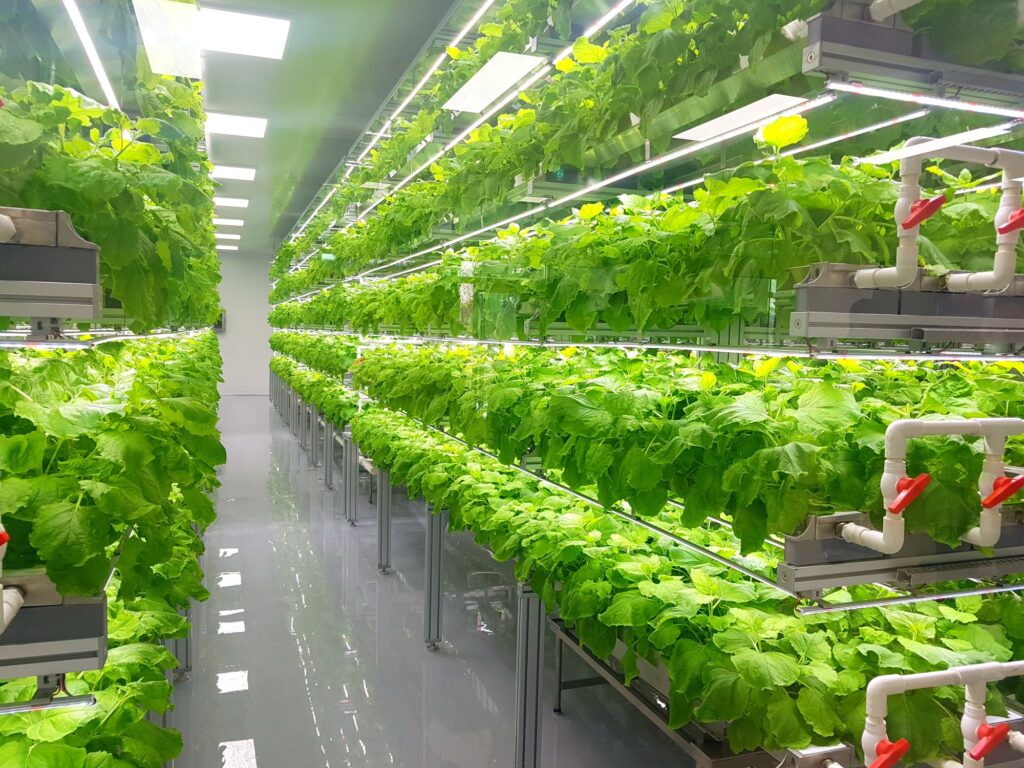
The report analyzes these three central challenges in shaping food security in Israel and the interdependence among them. Thus, the reliance of processing methods on resource management, focusing on the availability and quality of land and water by 2050; the impact of land and water availability, that depend on climate change, on the quantity and quality of food, and especially the production of animal feed and protein; and lastly, the impact of the shift in dietary preferences and demand for various food types on local production volume, resource management, processing methods, and the feasibility to establish food security in Israel.
Guidelines for Applying Quantitative Shade Indicators in Urban Planning in Israel

This document presents a comprehensive methodology for promoting strategic planning for urban shading and for providing planning bodies and planners with standards for quantitative and qualitative assessment of existing and projected levels of shading according to different planning scenarios.
Roadmap and Key Steps for Non־Animal Protein (Plant and Alternative) Towards Israel’s Food Security 2050

The report examines the role of non-animal proteins (plant-based and alternative) in securing Israel’s food supply by 2050. With population growth, environmental challenges, and reliance on imports, strengthening domestic production of non-animal proteins is crucial for reducing vulnerability to climate and global supply chain disruptions.
“Scenarios and National Goals for Food Security in 2050” a Second Interim Report Within the Israel 2050 Food Security Project

This interim report is part of the process of shaping Israel’s national food security policy for 2050. The report focuses on proposing reference scenarios that influence food security in Israel and deriving goals and objectives for action, with an emphasis on three key dimensions: climate, demographics, and dietary patterns. These dimensions significantly impact the ability to ensure the availability, accessibility, and quality of food sources over time, both during routine periods and in emergencies.