
Science, Technology and Innovation Indicators in Israel: An International Comparison 2024 – Extended Topic: R&D and Innovation in the Fields of Life Sciences and Health, Agri-Food-Tech, Energy and Climate-Tech. Indicators and Current Situation in Israel

This report was prepared as part of the national tender “developing a comprehensive national policy for advancing scientific research in Israel”, commissioned by the National Council for Research and Development at the Ministry of Innovation, Science and Technology. Its goal is to provide a comparative data infrastructure to support decision makers in three key areas: […]
Science, Technology and Innovation Indicators in Israel: An International Comparison -2024 – Part a – Key figures

This report, “Indicators for Science, Technology and Innovation in Israel,” was prepared as part of the national tender “developing a comprehensive national policy for advancing scientific research in Israel.” The project was commissioned by the National Council for Research and Development at the Ministry of Science and Technology. The research involves an annual publication featuring […]
Science, Technology and Innovation Indicators in Israel: An International Comparison -2024 – Part a – Key figures

This report, “Indicators for Science, Technology and Innovation in Israel,” was prepared as part of the national tender “developing a comprehensive national policy for advancing scientific research in Israel.” The project was commissioned by the National Council for Research and Development at the Ministry of Science and Technology. The research involves an annual publication featuring […]
Living together on multicultural campus: Student’s Perspectives in Israeli Higher Education Institutions

This survey examined attitudes, perceptions, and experiences regarding studying in multicultural academic institutions among Jewish and Arab students in various universities and colleges across Israel. The research provided response to numerous issues related to studying in multicultural academic institutions that were not examined at all by the local scientific research, such as the promotion of universal values by the institutions or the practical consequences of studying in them. It also provided a response to issues that were examined in a relatively limited way in the past, such as perceptions of academic climate in campus, experiences of racism and discrimination, and perceptions of distance, foreignness and alienation inside campuses.
Guidelines for Applying Quantitative Shade Indicators in Urban Planning in Israel

This document presents a comprehensive methodology for promoting strategic planning for urban shading and for providing planning bodies and planners with standards for quantitative and qualitative assessment of existing and projected levels of shading according to different planning scenarios.
The Academic Boycott of Israel | Interim Report

This interim report by the Samuel Neaman Institute examines the scope of the academic boycott of Israel, its diverse existing and potential effects, and potential and effective means of addressing it
Roadmap and Key Steps for Non־Animal Protein (Plant and Alternative) Towards Israel’s Food Security 2050

The report examines the role of non-animal proteins (plant-based and alternative) in securing Israel’s food supply by 2050. With population growth, environmental challenges, and reliance on imports, strengthening domestic production of non-animal proteins is crucial for reducing vulnerability to climate and global supply chain disruptions.
Teaching Programs for Healthy Nutrition in the Education System: Examples, Characteristics and Insights from Israel and the World
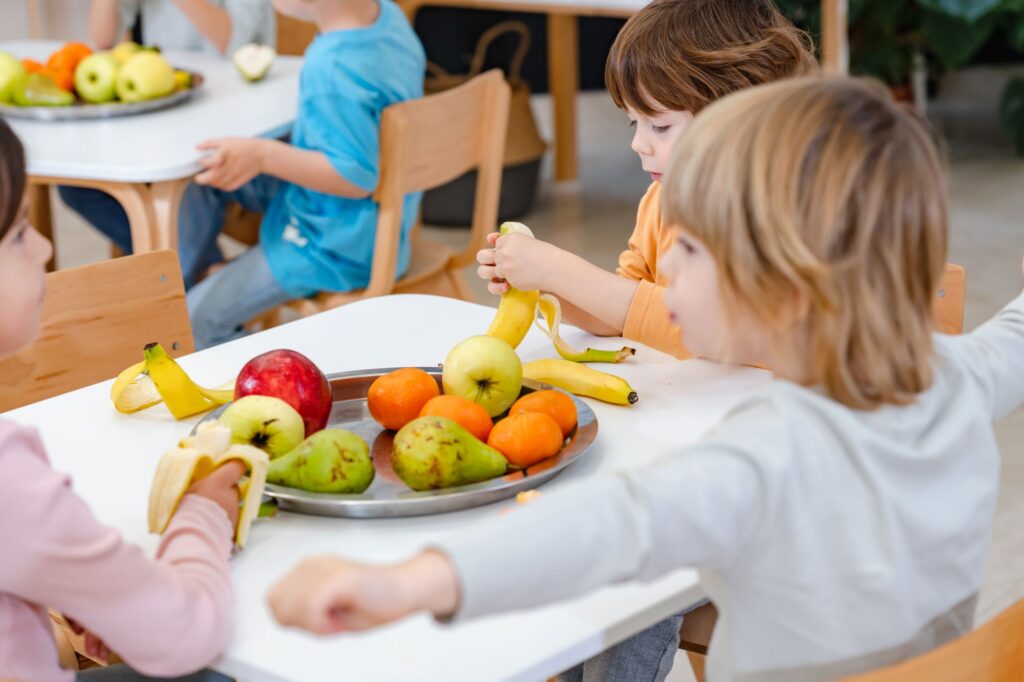
This document, which is based mainly on a literature review, presents some examples and characteristics of various programs for teaching healthy nutrition in the education system, together with insights emerging from evaluation studies. In addition, key points from World Health Organization policy documents are also presented.
Healthy nutrition programs and health promoting schools are part of the current and past efforts to provide nutrition education in Israeli schools. This review may provide additional knowledge and insights that can assist in further developing programs for the Israeli education system.
“Scenarios and National Goals for Food Security in 2050” a Second Interim Report Within the Israel 2050 Food Security Project

This interim report is part of the process of shaping Israel’s national food security policy for 2050. The report focuses on proposing reference scenarios that influence food security in Israel and deriving goals and objectives for action, with an emphasis on three key dimensions: climate, demographics, and dietary patterns. These dimensions significantly impact the ability to ensure the availability, accessibility, and quality of food sources over time, both during routine periods and in emergencies.
The Impact of an Airport in the Jezreel Valley on Agriculture and Food Security in Israel
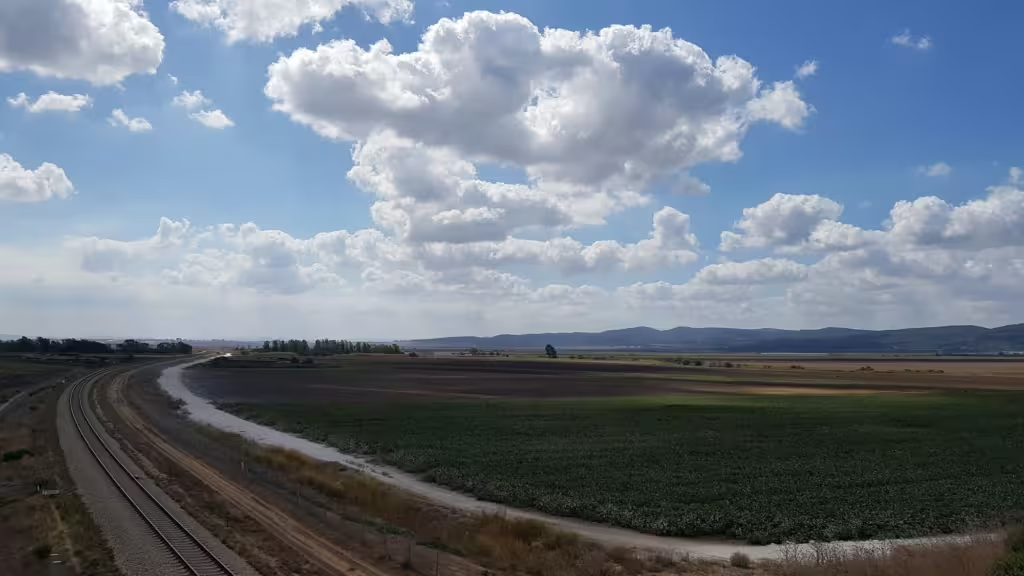
The aim of this paper is to assess the potential impact of establishing an airport in the Jezreel Valley on regional agricultural production, the local economy and livelihoods dependent on agriculture, and the supply of food and food security for the broader Israeli public.