
The Higher Education System in Israel: Issues, Characteristics and Unique Aspects

The goal of this project is to examine various aspects that concern excellence evaluations of universities in Israel. Approaches and issues concerning excellence evaluation are universal subjects that are dealt with by many countries. Correct evaluations contribute to the promotion of excellence, while inadequate evaluations may evoke negative processes and even significant damage.
Evaluating Performances and Contributions Made by Immigrant Scientists Employed by the KAMEA Program of the Ministry of Absorption in the Academe in I
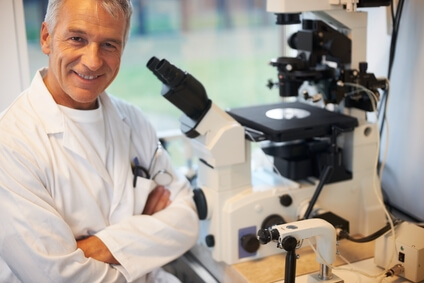
The purpose of the study was to evaluate the contributions and achievements of the immigrant scientists participating in the Kamea program. The program was designed to ensure job security to outstanding senior scientists until they reach retirement age, by appointing them to research positions in research institutes.
Challenges for Water Usage in Global Industry
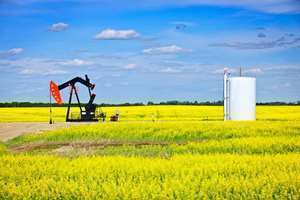
This research project began in 2011 in cooperation with Newtech and the Israel Export Institute and was designed to increase the competitiveness of the Israeli water industry in the world. The project aims to map industrial sectors that use large amounts of water, requiring innovative technological developments to reduce water consumption per unit of product, to allow the release of emitted water while preserving the environment, and to highlight the solutions to opportunities and needs that will enable businesses to grow and become more robust.
Winners and losers of the COVID-19 Pandemic in Israel and France: Evaluating the long-term effects of the crisis on well-being

The COVID-19 pandemic is a global watershed event that has substantially scarred the social and economic fabric of societies and individuals alike. The road to recovery from this pandemic is likely to be a gradual and slow process that will have an unequal impact on different parts of society. This proposed study sets out to identify, investigate, model and predict the factors associated with the objective and subjective well-being of the Israeli and French populations in the midst of the pandemic and in a world recovering from COVID-19. The assessment considers both material (i.e., socio-economic status, income and wealth) and socio-psychological conditions (i.e., feelings of subjective well-being, depression levels, family tensions), as well as underlying societal factors (resilience, social cohesion, social capital, degree of trust etc.). Special focus will be placed on the catalysts and agents, which differentially impacted vulnerable groups in society in the midst of the pandemic and on the factors that are projected to lead towards differential recovery. The comparison between Israel and France is especially interesting in terms of the potential “winners” and “losers” from the pandemic. An open question relates to both the contingent and structural elements of both societies and their ability to cope with the pandemic: France with its long-term stabilizers and social security system but slower epidemiological reaction or Israel with a less extended welfare system but with higher reactivity at the epidemiological level (a fast and effective vaccination campaign). The proposed project will employ a wide array of qualitative and quantitative tools for the collection and analysis of the research data. The French data will be based on the ELIPSS longitudinal survey, a probability-based panel. Similar data will be collected for Israel via a specially tailored web survey. In addition to survey data, unobtrusive digital trace data will be collected from human sources and online tools (e.g., webpage visits analysis, social network discourse analysis etc.). An innovative effort will be made to triangulate these unobtrusive data sources with the panel data and qualitative interviews. In order to test the relationship between socio-economic, behavioral and societal factors influencing the well-being and the coping abilities of the Israeli and French populations, mediation and moderation analysis will be implemented. The proposed bi-national project will equip stakeholders in both countries with well-established information that could help them in formulating guidelines for assisting vulnerable populations at times of crisis and speed up their recovery.
Benevolent community

“Benevolent Community – for Social Mobility, Community Resilience, and Quality of Life – in the 21st Century”
Research and Formative Evaluation for a Health Program in Arab Society

The Ministry of Health, in partnership with the Authority for the Economic Development of the Minority Sectors seeks to promote a focused government program for the health of the Arab population in Israel. The program aims to provide “root treatment” for health conditions and disparities in healthcare services.
International Round Table initiative for Advancing STEM Excellence Skills
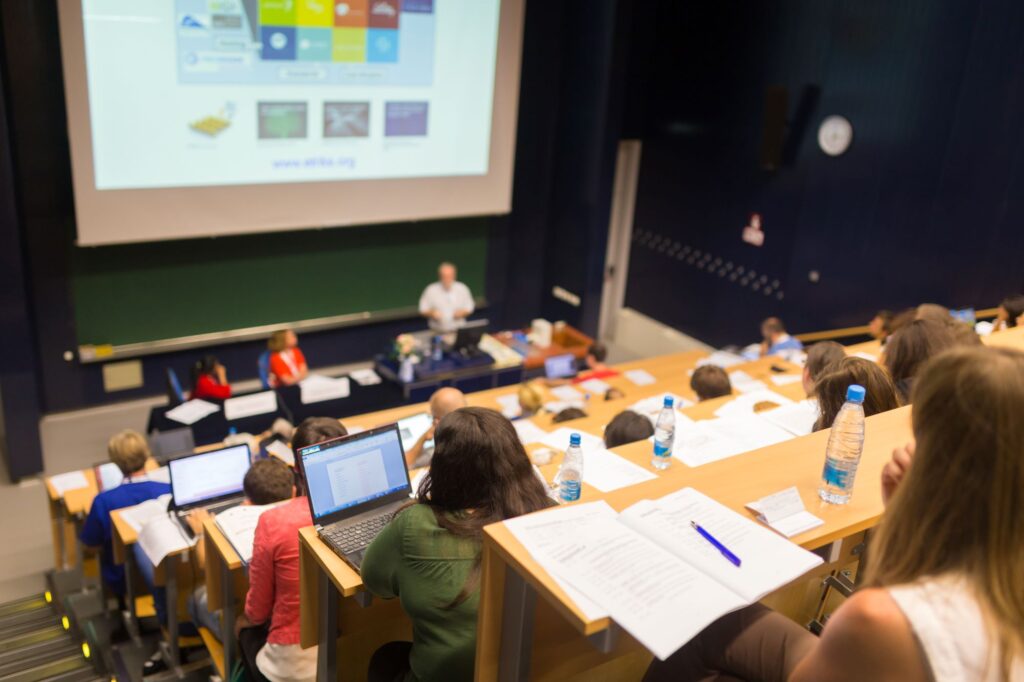
Attaining a consensus of the characterization, definition, educational methodologies and evaluation of skills required for advancing STEM excellence in the education systems, schools and higher education institutes.
Enhancing Skill Assimilation in Higher Education: Formative Evaluation of a Pilot Program

The Edmond de Rothschild Center for Connecting Higher Education and Employment is spearheading a pilot initiative aimed at developing and promoting an institutional framework for the integration of occupational qualifications and skills within disciplinary study courses. In collaboration with two higher education institutions, this pilot will involve updating four selected courses to incorporate pedagogies that support the acquisition of skills and qualifications.
Characterizing master plan for the industrial park Mishor Rotem

Industrial zone Mishor Rotem is the largest in Israel. Some major industries already reside there, hence the purpose of this research is to characterize a master plan for future development and realization of its national-wise, great potential.
Graduates of Israeli Universities MD PhD Training Program
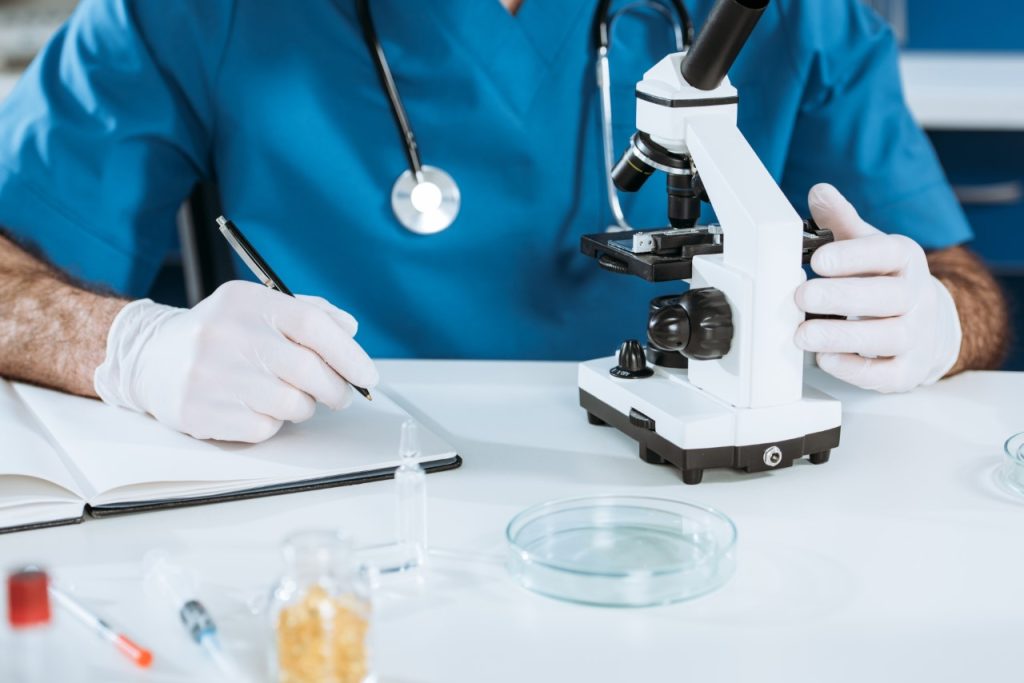
MD-PhD program graduates are an important pillar in Biomedical research in general, and particularly in the conduction of translational medical research. Developed countries invest significant efforts in this unique human-talent resource which in turn can contribute greatly to the local ecosystem advancing the healthcare, industrial and academic sectors.