
Success and Failure Factors of Leading Companies in Israel

The aim of the study, is to review the Israeli industry since the establishment of the state until today, in order to draw lessons from the accumulated experience and try to reach understandings and recommendations for the future.
Evaluation of the Technion Excellence Programs

The Technion Program for Excellence was launched in 1992 and is intended for undergraduate students in the Faculties of Science and Engineering who have been identified as having exceptional abilities.
100 Days Project

The aim of the “100 Days Project” is to formulate a socio-economic agenda that proposes solutions to some of the main issues the Israeli community faces and that will serve as a road map for the first 100 days of the next government.
Preparedness of Ultra-Orthodox Population in Israel toward Earth Quakes and Emergency Situations
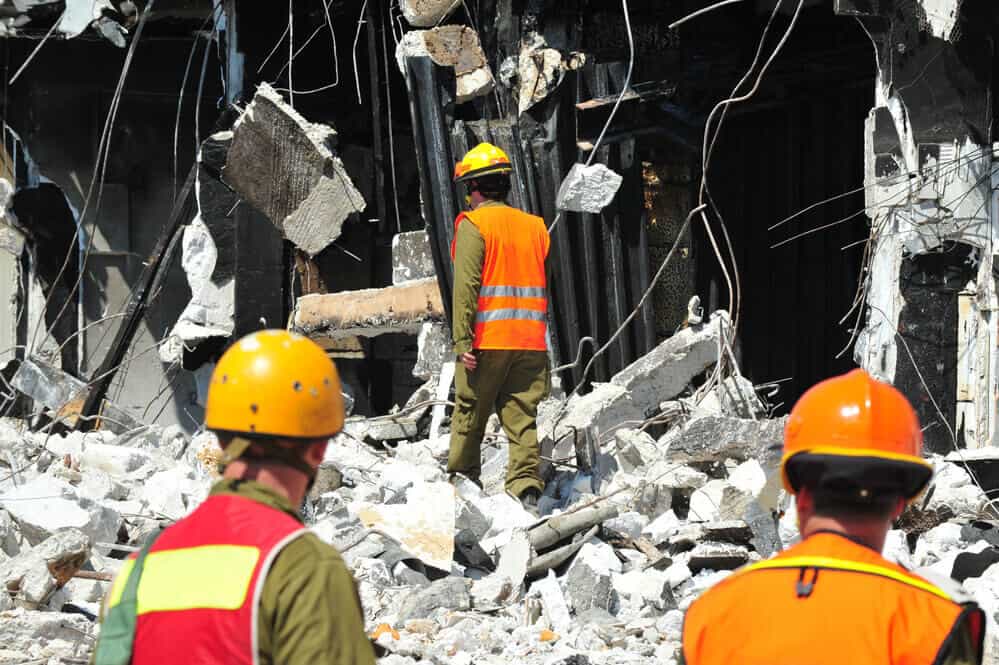
Sample groups within various Ultra-Orthodox communities in Israel will be surveyed in order to examine their perceptions, awareness and preparedness towards emergency situations – whether natural (e.g. earthquakes), or man-made (terror attacks, war aimed at civilian areas).
Trust in the institutions and pride in Israel’s achievements in the first decade of 2000

This report brings the results of three surveys of public opinion that were held in the years 2003, 2006, and 2009 on basis of statistical samples that represent the population of mature persons ( above 18 ) in Israel.
Evaluating the NOFAR Program
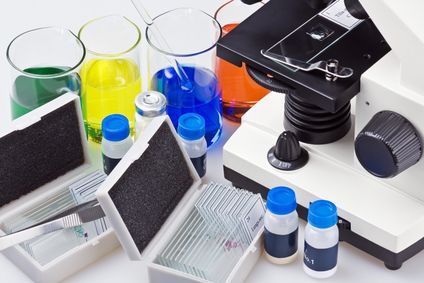
The NOFAR program was conceived as part of the implementation of the recommendations made by the “Monitor Report,” and stresses the need to establish a fund to support the development of inventions in the fields of biotechnology and nanotechnology that have a commercial potential in universities, so as to increase the chances of successful transfer of the technology from the academy to industry. The program helps build a bridge between the basic research and the applied research at the stage at which industry has not yet recognized the idea as having a commercial potential.
Evaluating the “Rothschild Fellowship” Program

The main goal of the research was to evaluate the impact of the program on the candidates’ careers and to assess their chances of pursuing academic careers in leading universities and research institutions in Israel. The research population included 359 candidates who applied to the program between 1996 and 2005. Three groups are included in the analysis: candidates who received the fellowship (Rothschild fellows), candidates who their application was turned down by the evaluation committee and candidates who chose to decline the fellowship.
Developing a Northern Biotechnologies Cluster in Israel – BioNorth

The S. Neaman Institute is leading an initiative to establish a ‘Northern Biotechnologies Cluster in Israel’ incorporating all companies, incubators, start-ups and academy researchers in the north of Israel. The rationale for this initiative is that biotechnology has become the fastest growing industrial sector in Israel and worldwide, and is reshaping science, especially life science, medicine, food and agriculture.
National Energy Technologies Research and Development Survey

This survey has been recently completed by the energy and environment team at the Samuel Neaman Institute, for the National Council for Research and Development (NCRD).
Adopting ICT in agriculture, education and development of the rural space

This study deals with the cultivation and optimization of innovation in agriculture, using ICT as a means to design agricultural education for a variety of ages and the development of the rural sector. These are of strategic importance to Israel. The recommendations and conclusions derived from the study were incorporated in the report by the Samuel Neaman Institute whose objective was to empower classic industries. The report was presented in 2012 to the Ministry of Agriculture and regional rural organizations.