
A National Framework for Training and Placement of Health Professions Students in Disaster Scenarios
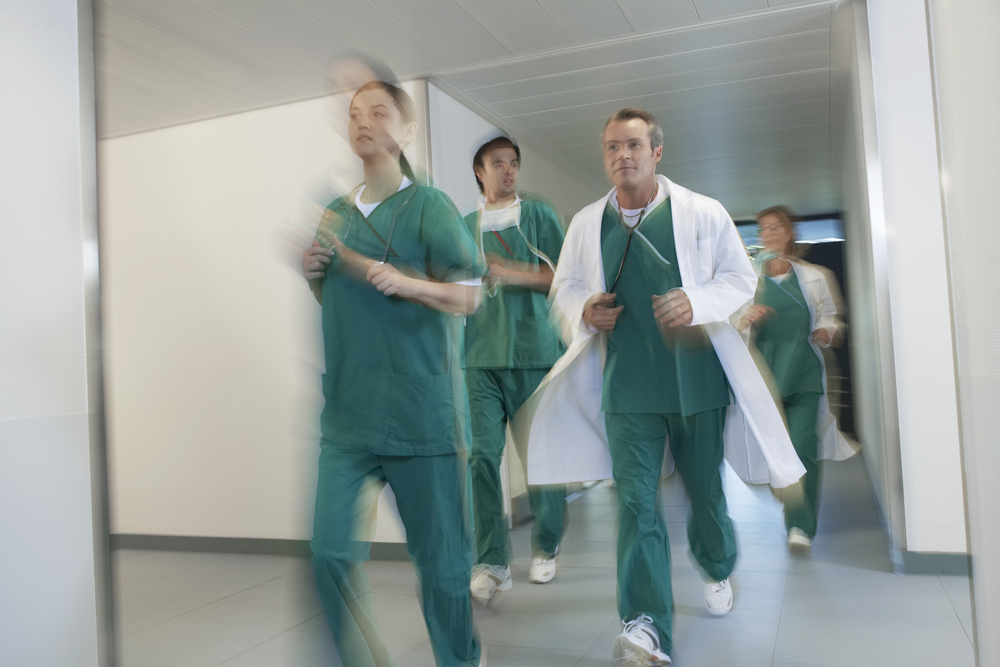
This policy paper presents a national program for the training and placement of health professions students, particularly medical students, for disaster scenarios. The program was developed at the Samuel Neaman Institute for National Policy Research at the Technion, in response to a request by the Ministry of Health to the Forum of Medical School Deans […]
Medical Simulation Centers as a National Resource in Medical Education
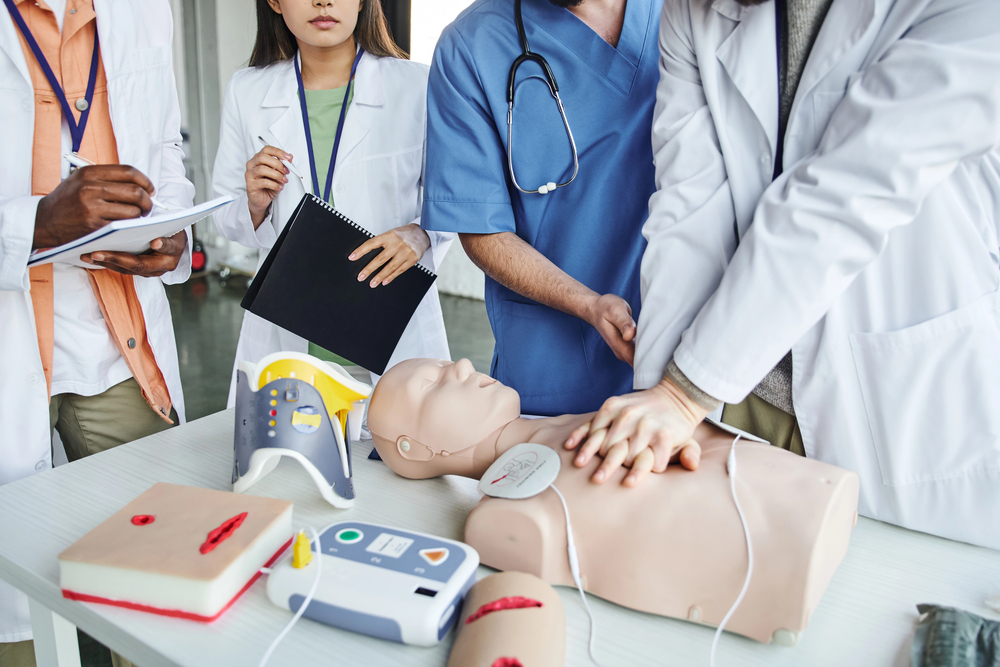
Simulation-based medical education (SBME) has become a cornerstone of clinical training over the recent decades. SBME offers a safe, controlled, and effective learning environment for the acquisition of various skills without risking patients and learners. Drawing on current research and evidence, this review describes the development of SBME from its historical origins to contemporary high-fidelity […]
Assessment of “Digital Health / eHealth Literacy” Among Medical School Graduates in Israel

This pilot study examined the level of digital health literacy among medical students and graduates of the Technion Faculty of Medicine, using a knowledge and self-assessment questionnaire, curriculum analysis, and in-depth faculty interviews.
Perceptions of Neonatologists towards Competency-Based Medical Education
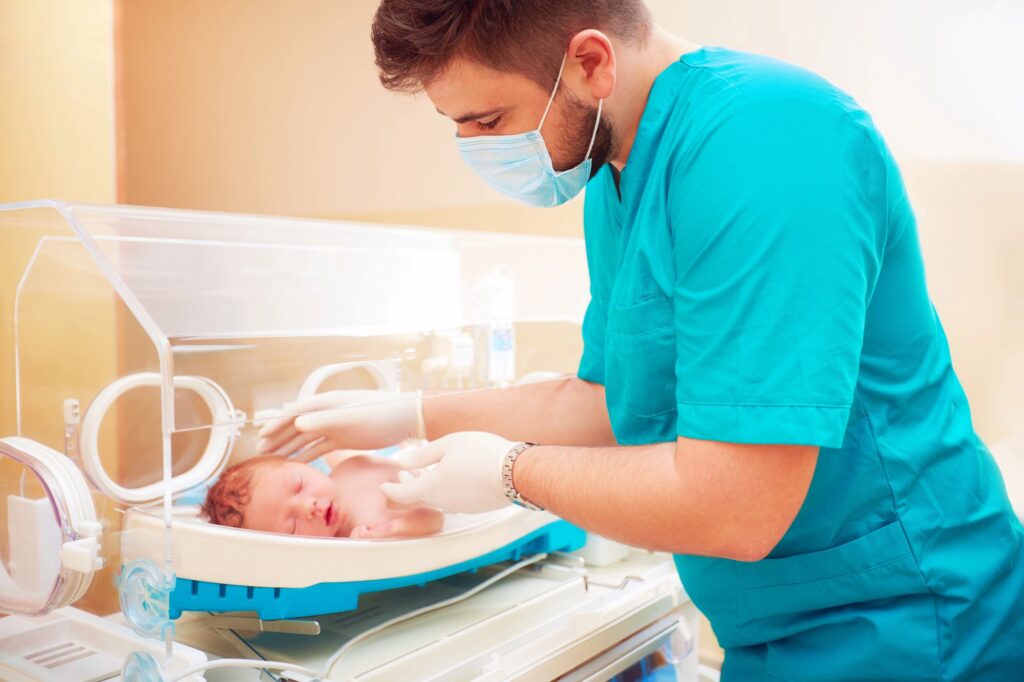
The research goal was to examine specialist neonatologists’ perceptions of CBME implementation, identifying advantages and challenges. The study used mixed methods, involving 41 specialist neonatologists, half are women, from 13 departments. The study demonstrated CBME benefits in preparing neonatal fellow trainees and highlighted implementation challenges.
Medical Simulation Centers in Medical Schools – Summary of the round table held at the Samuel Neaman Institute on April 3, 2025
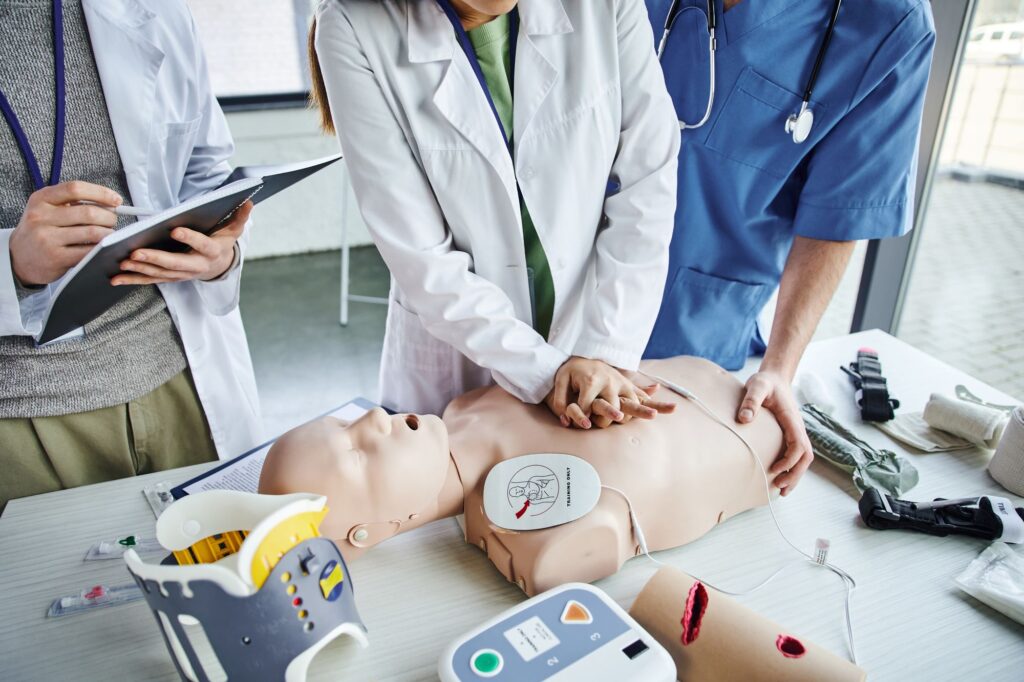
The Samuel Neaman Institute serves as a platform for dialogue, collaboration, and the advancement of medical simulation infrastructure and continuing medical education.
This report serves as a foundation and starting point for continued activity.
Roadmap and Key Steps for Non־Animal Protein (Plant and Alternative) Towards Israel’s Food Security 2050

The report examines the role of non-animal proteins (plant-based and alternative) in securing Israel’s food supply by 2050. With population growth, environmental challenges, and reliance on imports, strengthening domestic production of non-animal proteins is crucial for reducing vulnerability to climate and global supply chain disruptions.
Teaching Programs for Healthy Nutrition in the Education System: Examples, Characteristics and Insights from Israel and the World
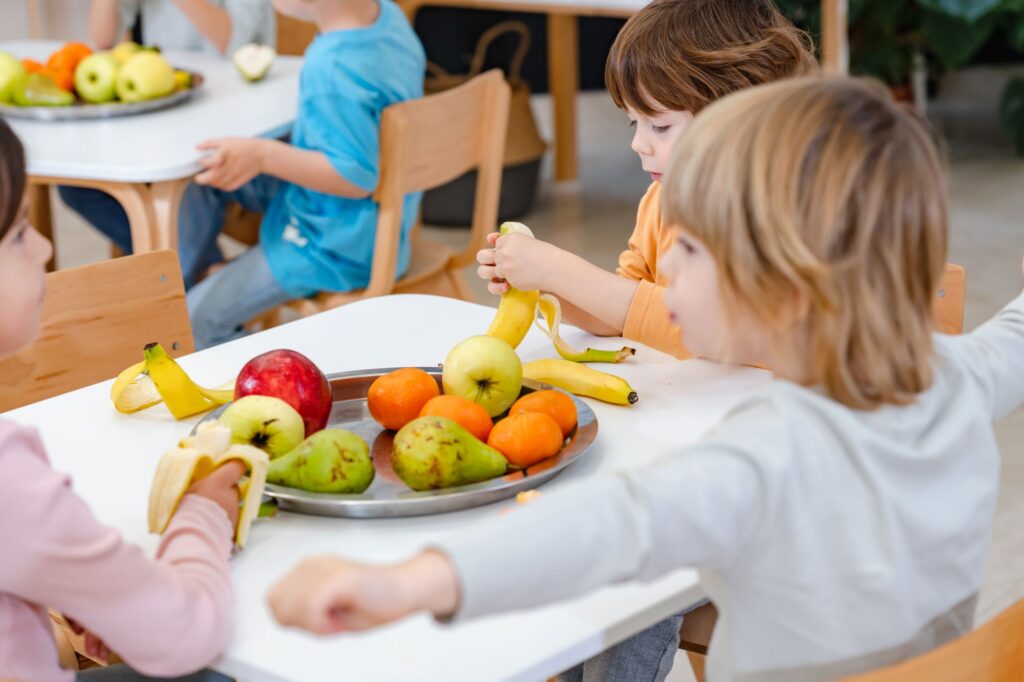
This document, which is based mainly on a literature review, presents some examples and characteristics of various programs for teaching healthy nutrition in the education system, together with insights emerging from evaluation studies. In addition, key points from World Health Organization policy documents are also presented.
Healthy nutrition programs and health promoting schools are part of the current and past efforts to provide nutrition education in Israeli schools. This review may provide additional knowledge and insights that can assist in further developing programs for the Israeli education system.
“Scenarios and National Goals for Food Security in 2050” a Second Interim Report Within the Israel 2050 Food Security Project

This interim report is part of the process of shaping Israel’s national food security policy for 2050. The report focuses on proposing reference scenarios that influence food security in Israel and deriving goals and objectives for action, with an emphasis on three key dimensions: climate, demographics, and dietary patterns. These dimensions significantly impact the ability to ensure the availability, accessibility, and quality of food sources over time, both during routine periods and in emergencies.
A tripartite view on the role of AI in modern analytics

This paper is a retrospective view of experience gained by applying statistics and analytics to a wide range of problems, with an emphasis on the past few years. It aims to show how AI and ML merge with statistics in a powerful modern analytic environment.
A Scientific-Technological Forecast – Approaching the 21st Century. Stage 2, Final Report
The present report summarizes the data from the second cycle of the “Delphi” survey, initiated by the Ministry of Science during the 1999-2000 work years. This follows the interim report published in October 1999 and included the results of the first cycle. The “Delphi” method is today one of the accepted tools in the developed […]