
Conditions For The Prosperity Of The State Of Israel

In 2004, the S. Neaman Institute established a research project to address the fundamental problems facing the State of Israel and the Jewish people. To that end, the Institute assembled a group of the country’s top thinkers and researchers in different areas of expertise – philosophy, society, law, politics and technology
A comparative outlook on the development of scientific and Technological research in Israel and in other Middle Eastern countries by quantitative indi

Thomson Reuters published in 2011 a study of the many changes that have occurred in the last decade in research activities in the Muslim Middle East, as reflected in its database, ISI. The study reports impressive developments in terms of research policy, investments in research, and research outputs. These processes take place mainly in five countries: Turkey, Iran, Egypt, Saudi Arabia and Jordan. Following this study, We performed a comparative analysis of the development processes of scientific and technological research that have taken place in Israel and in these Middle East countries.
Tax Benefits for Business R&D in Israel

This project examines the tax incentives system to encourage R&D in the business sector in Israel. More than two thirds of OECD countries and many others encourage R&D activities in the business sector with tax benefits based on the volume of R&D expenditures reported by the firms.
The Academic Resources of the Israeli High-Tech Industry

Recorded interviews in Hebrew
Transferring Technology and its Commercialization

How to translate technological knowledge obtained in academe into commercial success is a disturbing question that concerns many researchers and entrepreneurs in the academe. The Samuel Neaman Institute faces the issue as part of its involvement in the Technion.
Mapping national systems of technological innovativeness: Creating a basis for agreement on policy

A book that deals with technological innovation, based on the material collected as part of work package No. 2 of the Pick-Me Project, in which a novel methodology for mapping the ecosystem of technological innovation in five European countries that participate in the project was successfully tested.
Evaluating the Infrastructure Program of the Science and Technology and Space Ministry
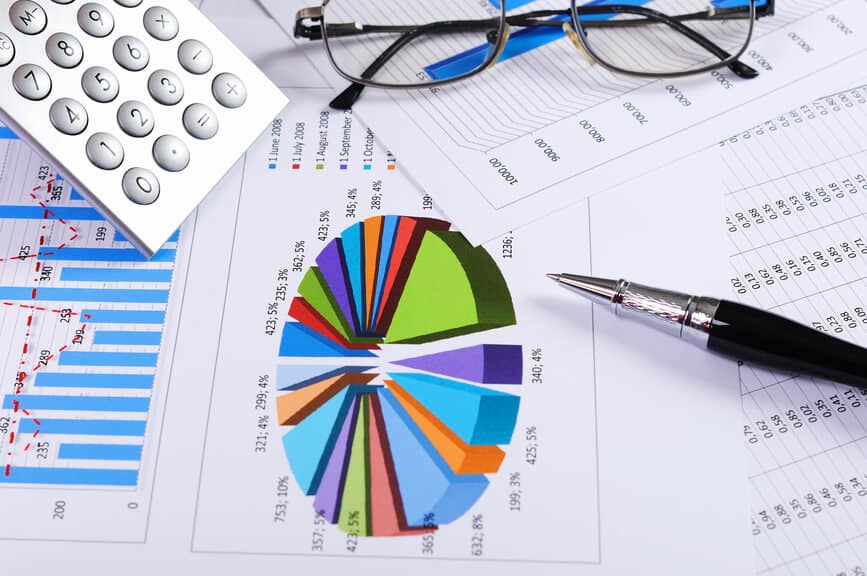
The research evaluated the short and long-term effects of research and knowledge centers that received funding from the Ministry of Science, Technology and Space from 2000 to 2010 as part of the infrastructure program.
Mapping National Research Infrastructures in Israel
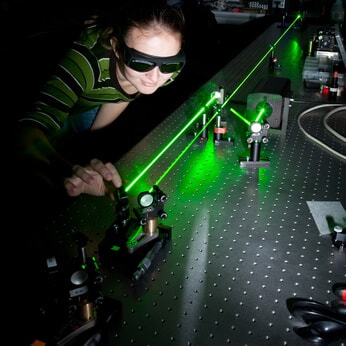
The Samuel Neaman Institute is conducting in 2012-2014 a further study on the subject of ‘Mapping National Research Infrastructures in Israel’. The goal of the study is to build the knowledge database that would allow the creation of a road map for planning national research infrastructures in Israel and to formulate a policy that will define budgets and priorities within a national policy on large research infrastructures in Israel.
Human resources in Science and Technology – models for Technology Forecasting

This work was commissioned by the subcommittee, Academia-Industry Relations of the National Council for Civilian R&D (Molmop). One of the goals of this committee is a re-examination of the suitability of the training provided by higher education institutions for the needs of the future economy.
A Survey of Israel’s Foreign Relations in Science, Research, and Development at the National and Institutional Level

In 2014, the Neaman Institute completed the first phase of the survey of Israel’s foreign relations in R&D at the national and institutional level. As part of this stage, a comprehensive survey was conducted, and a computerized database was established.