
Higher Education Tuition Fee Policy in Israel

Higher education policy in Israel did not consider tuition fees as a major factor when developing strategic planning for higher education institutions in Israel. This study analyses the main factors influencing tuition fees in Israel and suggests a new model for tuition fees that includes compensation schemes for students.
Funding Basic Science In The Universities

The study relates to various institutions and methods, which include: The Israel Science Foundation, the First program; the budgeting model at the Planning and Grants Committee, and various other sources.
International Collaboration On Energy – Israel-New Jersey Cooperation

In 2006, The S. Neaman Institute was asked by the New Jersey Meadowlands Commission (NJMC), to pinpoint Israeli companies which are capable of participating in solar energy tenders at NJ, Meadowlands.
Reclaiming the Dead Sea: Alternatives for Action

The aim of this project was to evaluate and present different alternatives for rehabilitating the Dead Sea and the Jordan River. In the process, three main alternatives were examined: “business as usual”, introducing sea water into the Dead Sea (from the Mediterranean or from the Red Sea), and water supply from the Jordan River.
R&D Project On Fighting Terror

This project is a joint effort of the Council for National Security and the S. Neaman Institute. In this project, various methods for supporting and enhancing R&D to combat terror are evaluated, integrating the private, government and defense sectors.
Evaluation of the MAGNETON Program

The evaluation of the Magneton program is a research initiated and funded by both the Samuel Neaman Institute and the MAGNET management. The research was performed during 2008-2009. The main research goal was to examine the outputs of the Magneton projects and their success while focusing on the characteristics of the projects, academic researchers and industry head of projects and to evaluate the factors impacting the projects’ successes and failures in the past few years.
The Israeli Innovation System: An Overview Of National Policy And Cultural Aspects

The Israeli Innovation System Project: National Policy and Cultural Aspects is part of an international project dealing with innovation policy within the framework of the United Nations Economic Commission for Europe (UNECE).
Israel’s Public Diplomacy (Hasbara)

The S. Neaman Institute, together with Israel Foreign Ministry, has initiated a project to develop a Public Diplomacy Plan (Hasbara) for the State of Israel. The project is based on the assumption that despite the ongoing exercise of public diplomacy by governmental entities and other authorities, there is a real need to periodically evaluate the contents and methods used, to redefine audiences and agents on the conceptual and strategic levels, and to check the actual level of activity.
Women-Physicians’ Inroads Into Male Specialties (Surgery)
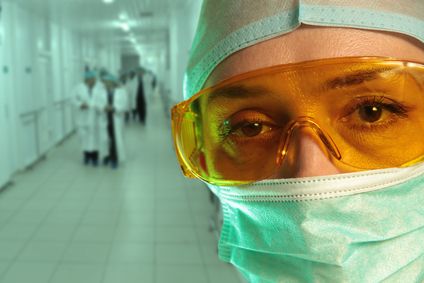
The goal of this study is to present a precise picture of the changes which have occurred in the rate of female representation in surgery through a literature review examining the various factors which have brought about these changes, and by surveying female physicians who made these changes.
Vouchers for New Immigrants as Tools for the Job Market

The current study was commissioned by the Ministry of Immigrant Absorption in cooperation with the S. Neaman Institute, and examined whether the Vouchers Project was effective in facilitating employment and in upgrading the status of jobs held by the immigrants upon graduation.