
Affordable Housing: Developing Policy, Awareness and Pilot Projects

Housing affordability, or the lack of it, was the issue that sparked the mass social protests of Summer 2011, with tent camps in tens of cities and hundreds of thousands of demonstrators. This project works to develop new policies to promote affordable housing and social mixed neighborhoods in Israel. We draw on the experiences of other developed countries in creating new tools of regulatory planning and financial innovations.
Air Pollution

The Haifa Bay area is well known for the poor quality of its air, related to emissions from heavy industry located in the area, non-supervised combustion at landfills and the use of pollutant fuels in vehicles. Furthermore topographic conditions and the Mediterranean climate impede the efficient scattering of pollutants into the atmosphere.
Active Researchers Survey in the Russell Berrie Nanotechnology Institute at the Technion (RBNI)
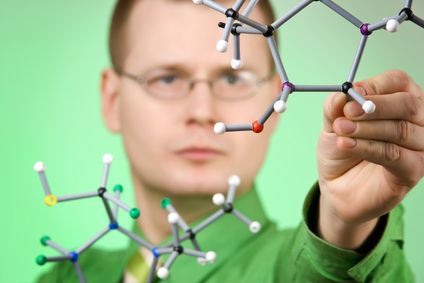
The goal of the study was to examine the activity of the Nanotechnology Institute over time, and to estimate the results and the effects on the activity of the researchers at the Institute.
Human Resources for Science and Technology in Israel

The goal of this project, which is operating under the auspices of the S. Neaman Institute and the National Council for Civil Research & Development (MOLMOP) in cooperation with the Central Bureau of Statistics, is to present data on the science and technology human resources in Israel. This data will assist the MOLMOP members in shaping a policy concerning science and technology labor force training for the industry and academic sectors.
Higher Education Tuition Fee Policy in Israel

Higher education policy in Israel did not consider tuition fees as a major factor when developing strategic planning for higher education institutions in Israel. This study analyses the main factors influencing tuition fees in Israel and suggests a new model for tuition fees that includes compensation schemes for students.
Funding Basic Science In The Universities

The study relates to various institutions and methods, which include: The Israel Science Foundation, the First program; the budgeting model at the Planning and Grants Committee, and various other sources.
International Collaboration On Energy – Israel-New Jersey Cooperation

In 2006, The S. Neaman Institute was asked by the New Jersey Meadowlands Commission (NJMC), to pinpoint Israeli companies which are capable of participating in solar energy tenders at NJ, Meadowlands.
Reclaiming the Dead Sea: Alternatives for Action
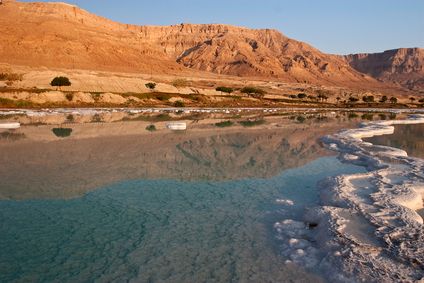
The aim of this project was to evaluate and present different alternatives for rehabilitating the Dead Sea and the Jordan River. In the process, three main alternatives were examined: “business as usual”, introducing sea water into the Dead Sea (from the Mediterranean or from the Red Sea), and water supply from the Jordan River.
R&D Project On Fighting Terror

This project is a joint effort of the Council for National Security and the S. Neaman Institute. In this project, various methods for supporting and enhancing R&D to combat terror are evaluated, integrating the private, government and defense sectors.
Israel’s Public Diplomacy (Hasbara)

The S. Neaman Institute, together with Israel Foreign Ministry, has initiated a project to develop a Public Diplomacy Plan (Hasbara) for the State of Israel. The project is based on the assumption that despite the ongoing exercise of public diplomacy by governmental entities and other authorities, there is a real need to periodically evaluate the contents and methods used, to redefine audiences and agents on the conceptual and strategic levels, and to check the actual level of activity.