
Neaman Index | Research & Innovation in Food and Agriculture

The dashboard presents data compiled and analyzed by the Samuel Neaman Institute team, focusing on topics related to higher education, research, and innovation in the fields of food and agriculture in Israel. It includes information on scientific publications, student data, competitive research grants, patents, startups, and the participation of Israeli institutions in international research programs. The aim is to provide a comprehensive, up-to-date, and accessible overview of academic research activity and innovation in this domain, serving the needs of decision-makers, researchers, and other stakeholders in the system.
Challenges of the Higher Education System in Israel
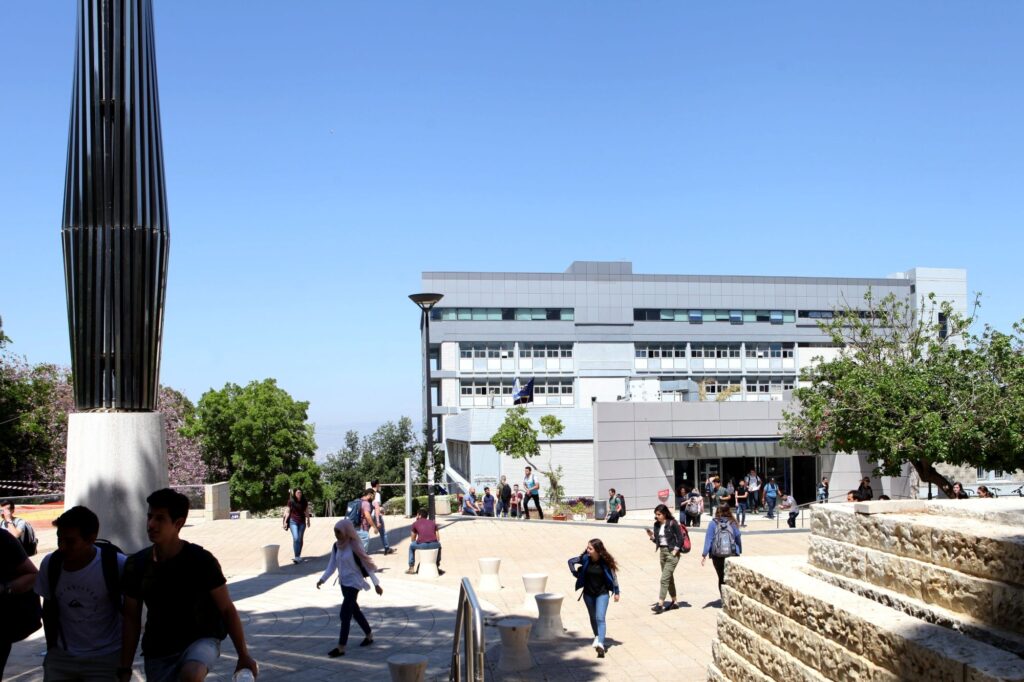
Israel’s higher education system faces significant challenges related to research and teaching quality, the relationship between research universities and colleges, and the assessment of academic excellence.
This project aims to map key challenges, develop practical solutions, and create innovative evaluation models based on meaningful contributions to research, society, and the economy
Round Table Discussion: Advancing Education in Israel through Policy Research

The primary aim of this round table is to help the education sector develop a clear research and practical focus. Discussions will center on key topics, including mapping policy needs in Israeli education, defining “public education,” leveraging data to support evidence-based policymaking, and designing a shared core curriculum that bridges all societal sectors. This collaborative effort seeks to foster actionable insights and drive meaningful progress in shaping Israel’s educational future.
Teaching Programs for Healthy Nutrition in the Education System: Examples, Characteristics and Insights from Israel and the World
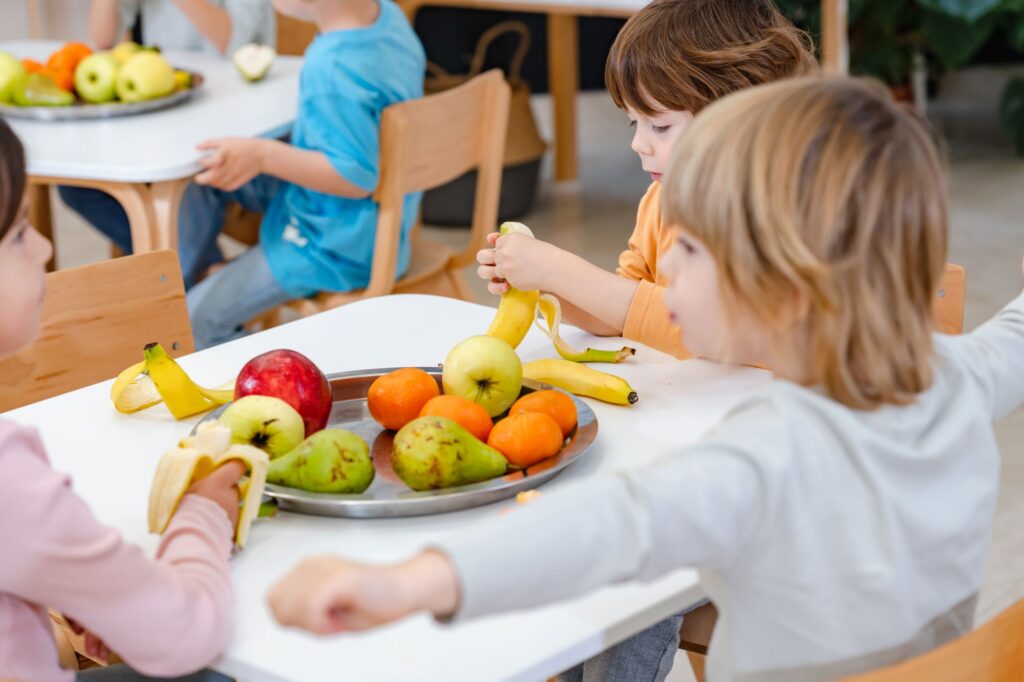
This project presents examples and characteristics of various programs for teaching healthy nutrition in the education system, together with insights emerging from evaluation studies.
Healthy nutrition programs and health promoting schools are part of the current and past efforts to provide nutrition education in Israeli schools. This review may provide additional knowledge and insights that can assist in further developing programs for the Israeli education system.
Assessment of “Digital Health / eHealth Literacy” Among Medical School Graduates in Israel

This study aims to assess the levels of “Digital Health / eHealth Literacy” among graduates of medical schools in Israel, with a specific focus on examining the integration of digital health literacy into medical education. By evaluating the alignment between graduates’ digital health literacy, medical school curricula, and the evolving needs of the workplace, this research seeks to provide policy recommendations for enhancing digital health literacy education in medical schools.
Neaman Index | Research & Innovation in Health
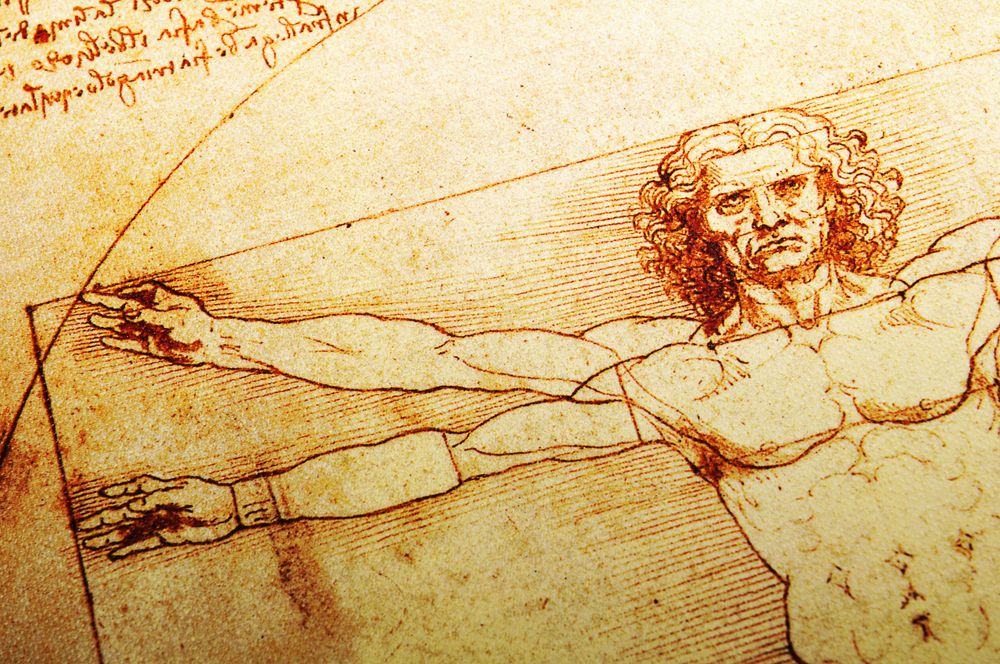
The dashboard presents data compiled and analyzed by the Samuel Neaman Institute team, focusing on topics related to the higher education, research, and innovation system in the field of health in Israel. It includes information on medical scientific publications, student data, competitive research grants, patents, startups, and the participation of Israeli institutions in international research programs. The aim is to provide a comprehensive, up-to-date, and accessible overview of academic research activity and innovation in this domain, serving the needs of decision-makers, researchers, and other stakeholders in the system.
Nature and Well־being

The studies of the SNI in this field examine the contribution of nature to the mental and physical health of the residents of Israel. The studies examine the beneficial effect of exposure to nature, including staying in nature outside the city, visiting urban nature sites such as parks and urban gardens, and even viewing nature through windows or simply watching nature images. The studies examine the benefits that nature affects different populations, such as ethnic sectors, gender and different ages, and provide recommendations for measures that can be taken to increase the resilience of these populations, through exposure to nature and increasing awareness of its contribution to decision makers, executive bodies, health professionals, culture and sports, and among the general population.
Home:How new technologies can help us shape homecoming policies
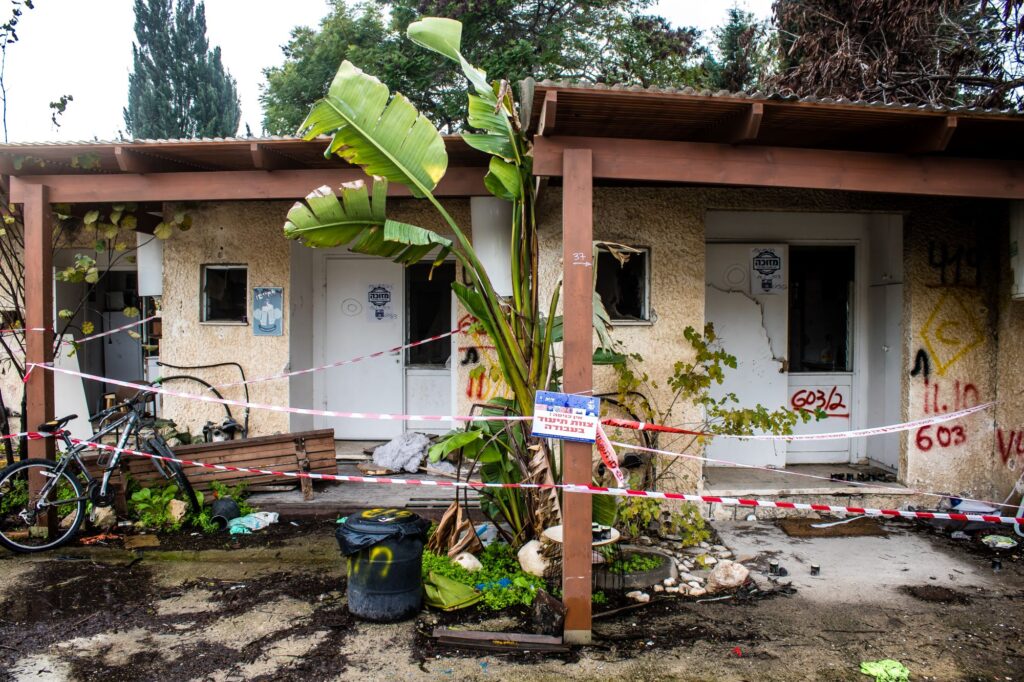
These days, tens of thousands of people in Israel officially or unofficially evacuated their homes. The evacuation raises many challenges associated with the disconnection of people and communities from their homes.
Why are the Property Rights of Israel’s Kibbutzim and Cooperative Villages Still Tantamount to Vassals?
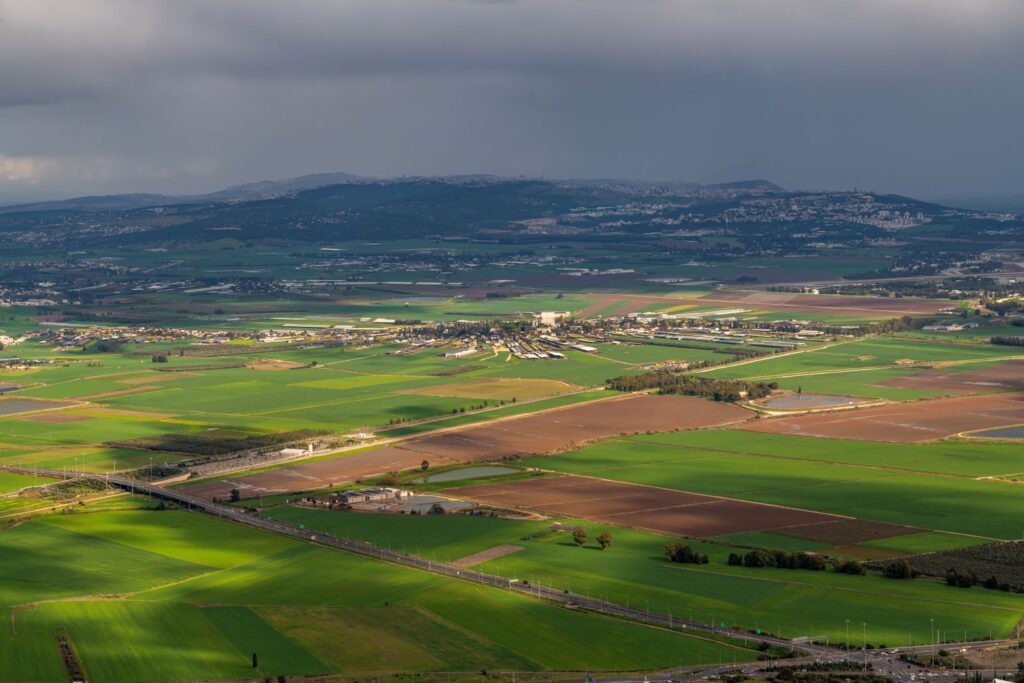
Many of the victims of the massacre by Hamas on Oct. 7 were members of the communal (kibbutzim) and cooperative (moshavim) villages located next to the barrier from Gaza. An unexposed fact is that their land and housing rights and thus their household capital – even after several generations – are worse than under feudal landlords. This holds for such village across Israel. Our socio-legal-empirical research seeks to raise the veil from this archaic and unjust public policy which has become entrenched and blind. Without extensive legal and policy rethinking, the survivors returning to the villages after reconstruction will still have to live under a quasi-feudal land regime.
Waste Management
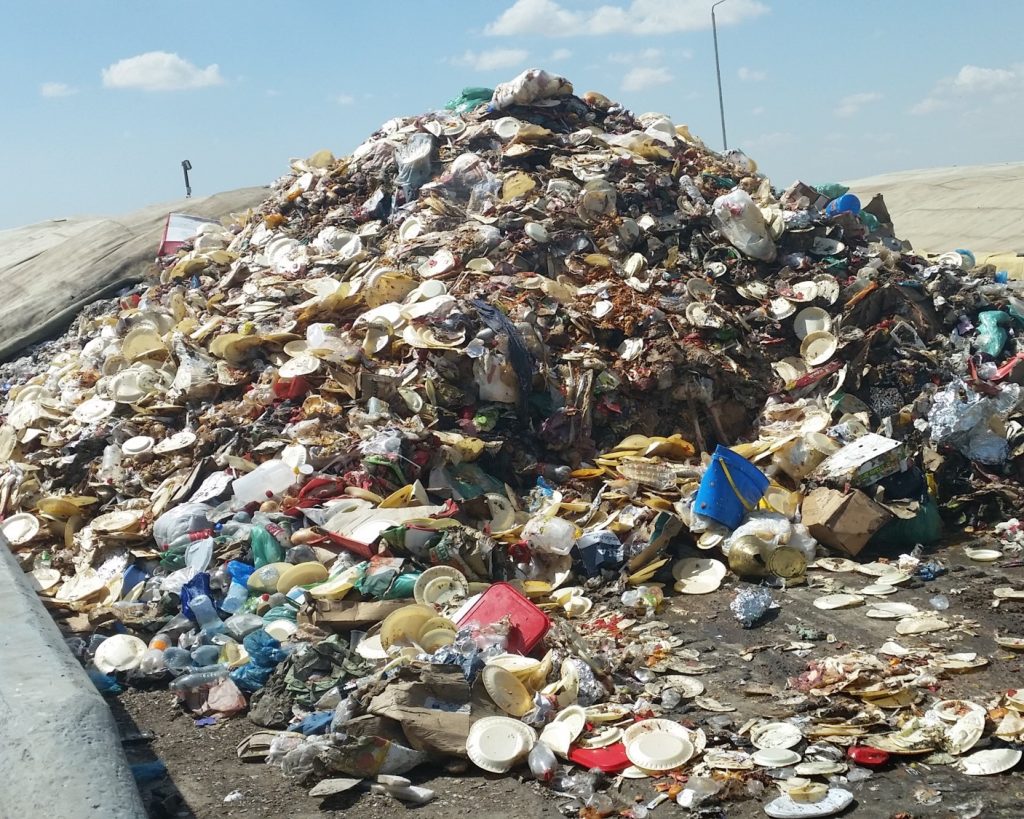
Samuel Neaman Institute’s studies examine the potential for reducing waste at source, reducing waste landfilling and developing processes that make the nuisance into a resource, both in the domestic sector and in the industry and agriculture sector. Practical policies and tools at the national and local government levels are suggested.