


Case Studies: Environmental Quality and Public Health
Scientific and Technological Workforce
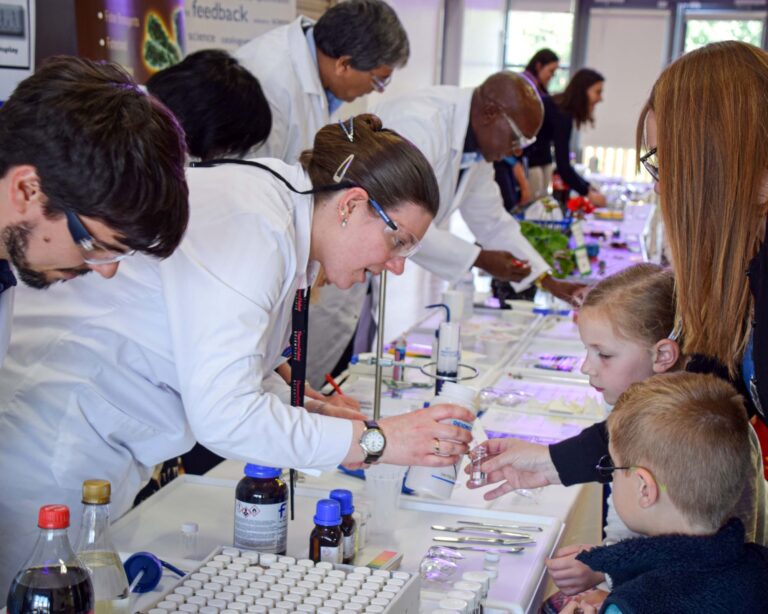
The study examined the research-based public engagement of academic faculty members in Israel and its impact on their academic careers, focusing on two fields: Public Health and Environmental Studies. Its aim was to develop indicators for evaluating public engagement and to explore ways of integrating this dimension into institutional evaluation, promotion, and reward mechanisms.
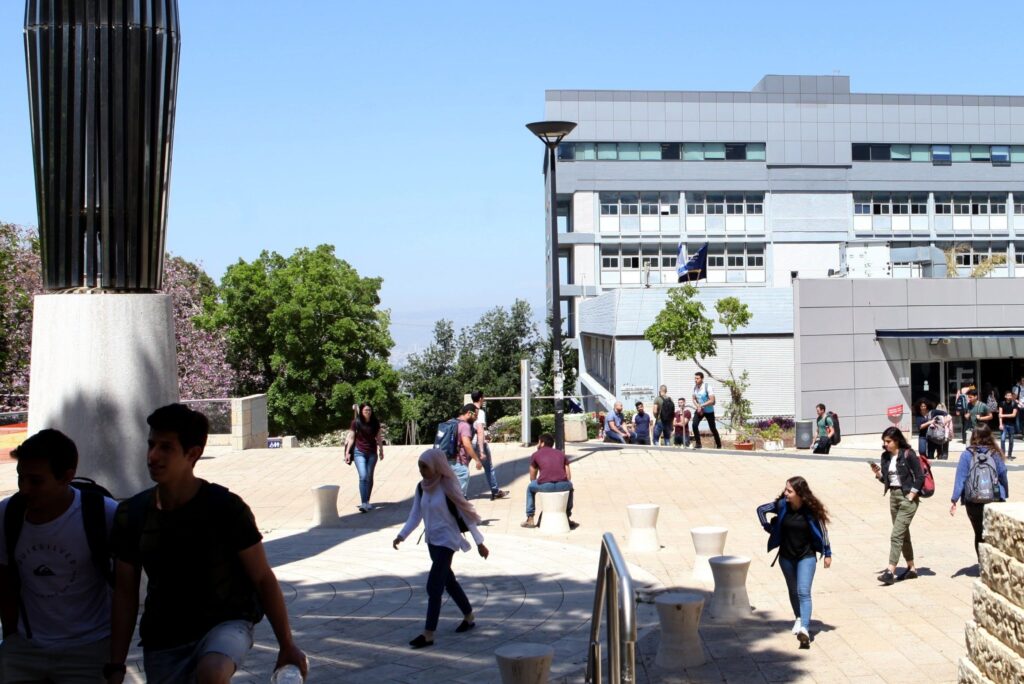
The research combined semi-structured interviews with leading scholars in these fields and an online survey distributed to 375 faculty members from three institutions (University of Haifa, Technion, and Ben-Gurion University). Sixty-eight responses were received and analyzed using both qualitative and quantitative methods.
Seventy-nine percent of respondents reported being involved in research-based public engagement. The main motivations for such activity were a sense of mission, a desire to contribute to society, and a belief in the university’s public role. The main barriers identified were lack of time and relevant skills.
Most researchers considered public engagement beneficial for their research and collaborations but noted that it rarely translates into institutional recognition or academic advancement. Only a minority viewed it as a factor influencing professional evaluation. In most institutions, no formal policies or incentives exist to encourage such activities.
The findings highlight the need for institutional policies that define the role of public engagement within academia, promote community-integrated courses and projects, reduce teaching loads for active researchers, and cultivate a culture of recognition. In addition, the study proposes quantitative and qualitative indicators for assessing societal contribution, inspired by the UK’s REF framework, to establish systematic and sustained recognition of academia’s impact on society.