

Indicators for evaluating the involvement of university researchers in the transfer of knowledge to society – Scientific and technological human capital – Selected topics – Part II
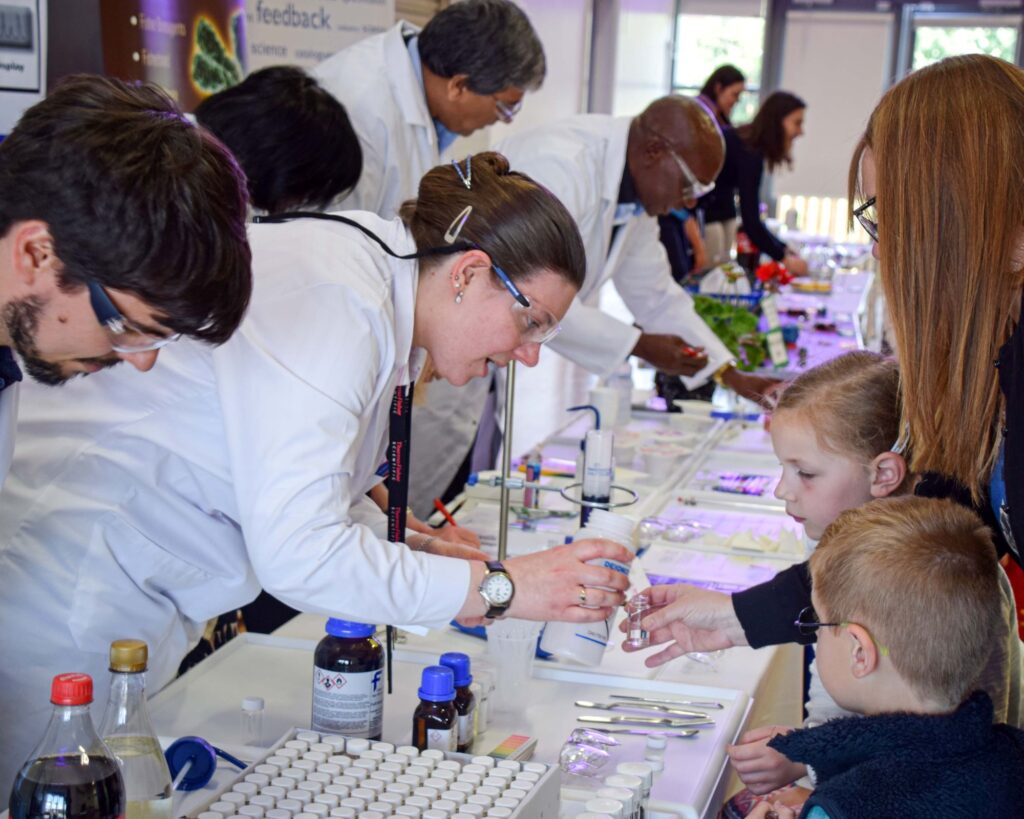
The current study, conducted at the Shmuel Naaman Institute, focused on reviewing international practices for defining, measuring, and encouraging social engagement among academic staff in countries such as the UK, the Netherlands, Australia, and New Zealand. The report includes an analysis of existing reports on metrics for social engagement by researchers, a review of metrics for measuring research impact on society by the Times Higher Education Impact Ranking, and an examination of incentive models at universities in Europe.
Science, Technology, and Innovation Indicators in Jerusalem, Tel Aviv, Haifa, and Be’er Sheva
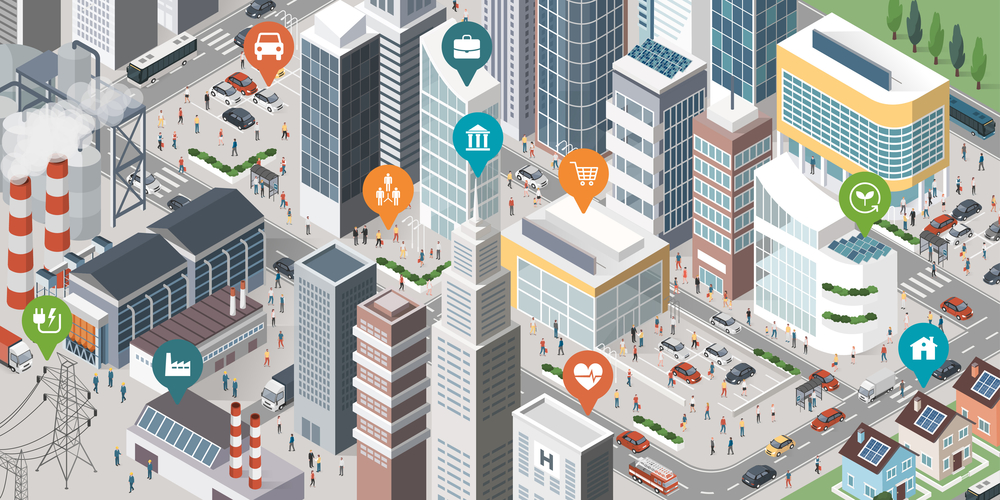
The report focuses on Israel’s main cities – Tel Aviv, Haifa, Jerusalem, and Beer Sheva – which have established themselves as significant hubs for technological advancement, talent attraction, investments, and fostering collaboration between academia, industry, and government. Through examining various indicators in these cities, the report provides insights into their economic and technological development, the effectiveness of their innovation policies, and the potential for knowledge transfer and spillover effects. These insights are intended to serve as tools for policymakers, entrepreneurs, and researchers to plan steps to promote growth and nurture an innovation-driven society.
Democracy as a Critical Infrastructure during a State of Emergency

Democracy is not only an essential infrastructure during normal times; in fact, safeguarding it becomes even more crucial during times of emergency. This document explores the intricate relationships between democracy, individual rights and emergencies. The authors acknowledge that acute crises, like natural disasters, pandemics or wars, may warrant deviations from both the formal facet of […]
Populism – A Survey of Recent Research

Survey of recent research on Populism
Assessment of Methane Emissions from Natural Gas Supply Chain in Israel

Methane gas, the main component of natural gas, is the second most impactful greenhouse gas on global greenhouse gas emissions from anthropogenic sources, after carbon dioxide, and is currently the focus of efforts (along with other short-lived greenhouse gases) to reduce global warming of the atmosphere. Methane, as a contributor to the greenhouse effect, is […]
Past initiatives to strengthen the Israeli society: Lessons from the Past

Israel is in the midst of a multidimensional crisis combining legislative initiatives, policy changes and public upheaval. This led to long lasting protests that exposed the fragmentation of the Israeli society. The Samuel Neaman Institute has addressed issues related to the Israeli society since 2005, including a unifying definition of societal resilience (Gal, Padan, 2020). […]
Self-efficacy, Interpersonal Skills and STEM Career Choice The Case of the FIRST Project
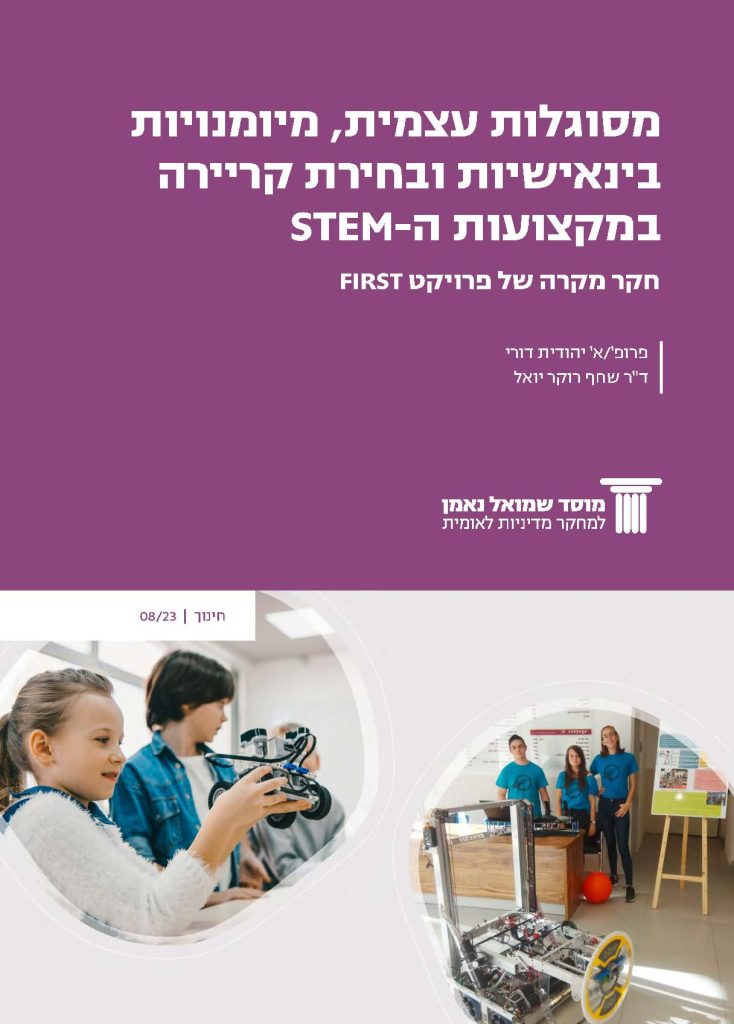
In view of the acute lack of STEM professionals, there is dire need to encourage more students to elect STEM studies. The robotics program For Inspiration and Recognition of Science and Technology (FIRST), whose participants are students 5–18 years old, employs project-based learning (PBL) principles to develop interpersonal skills. The FIRST program applies science, technology, […]
Engineering, Society and Environment
Engineering has a crucial role in the development of human civilization and its influence is especially prominent in the current era. This influence extends beyond the direct effects of engineering artifacts and it has increasing indirect impacts, positive and negative, such as those associated with environment and society, such as increase in societal gaps. Modern […]
Opportunities in a Changing Energy Economy

The Samuel Neaman Institute at the Technion has addressed the future of the energy sector in Israel, focusing specifically on the Sharon-Carmel municipal association, to examine the challenges and opportunities in this area. This document reviews trends in the short term (up to 2030), medium term (up to 2040), and long term (up to 2050), with varying levels of certainty. As the time frame extends, the level of uncertainty increases.
Energy Forum 54: Electrical Energy Storage
The electricity grid, naturally, operates in a non-constant state, with fluctuations in both consumption and production. From this arise non-simple problems in network management. There are several ways to deal with these problems, the most immediate of which is a control mechanism of the electric company that activates or deactivates power plants of various types […]