
New Thought on Accelerating the Upgrading of Israel SME Industry to Use Industry 4 Technologies
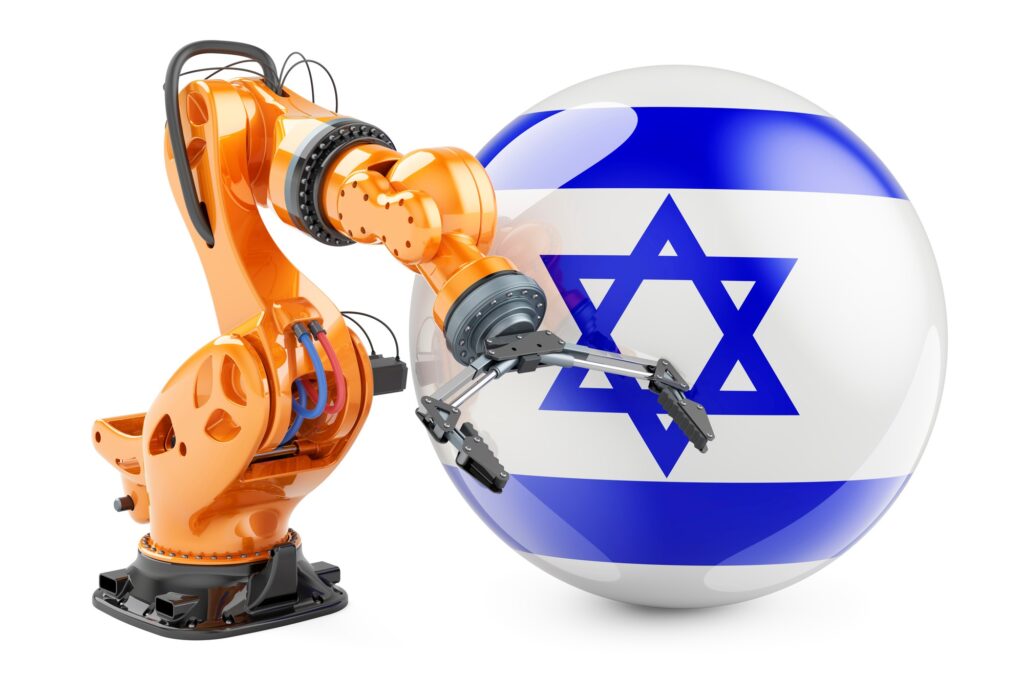
Below we have proposed a rapid assimilation of Industry 4.0 in Israel, a program aimed at bringing out the SME industry from the current technological stagnation and place it at the forefront of global innovation.
Assessing the Effectiveness, Economic Benefits, and Social & Economic Impact of Obesity Prevention and Reduction Reforms

As of 2022, the World Health Organization (WHO) reports that over a billion individuals globally are grappling with obesity, encompassing 650 million adults, 340 million adolescents, and 39 million children. This figure is on a relentless upward trajectory, and Israel is not exempt from this concerning trend. Like numerous nations worldwide, Israel is confronting the […]
Guidelines for Creating Educational Continuity During Prolonged Crisis Situations: Insights from the ‘ Education during crisis’ Forum
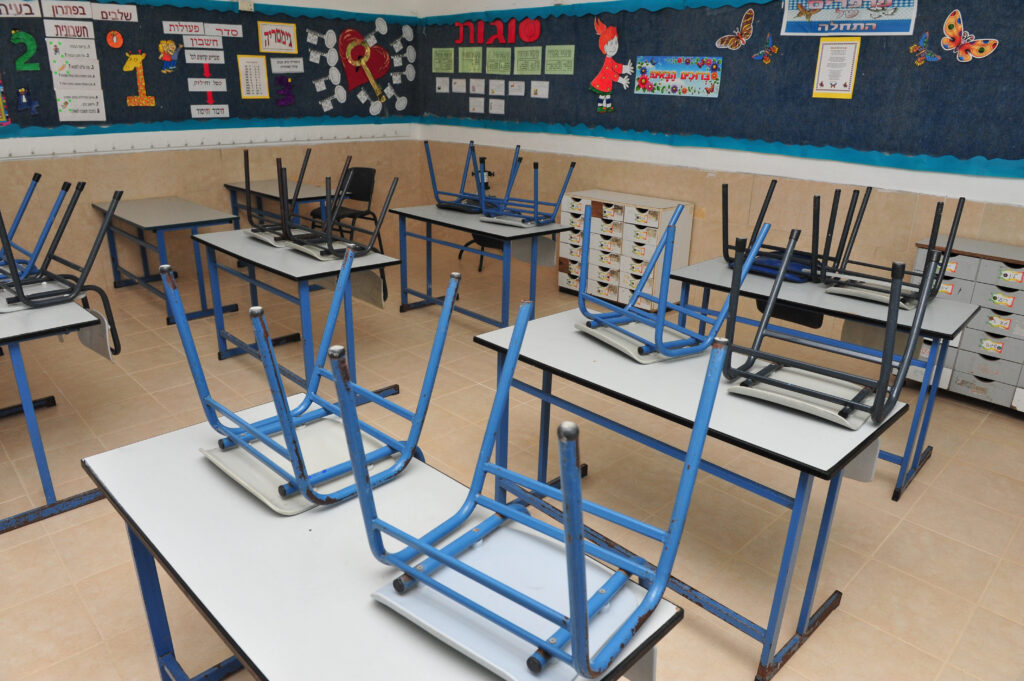
The presented analysis and recommendations aim to ensure uninterrupted educational routine for all Israeli pupils, with a specific focus on those evacuated. This report was written following the Iron Swords War eruption on October 7, 2023 for about three months (from November 12, 2023, to January 28, 2024). This war and the crisis that followed it, posed the education system with multifaceted and complex challenges previously unencountered, but will most probably will face in future crisis situations, such as earthquake events in Israel.
A Roadmap for the Independent System Operator of the Electricity Towards 2040
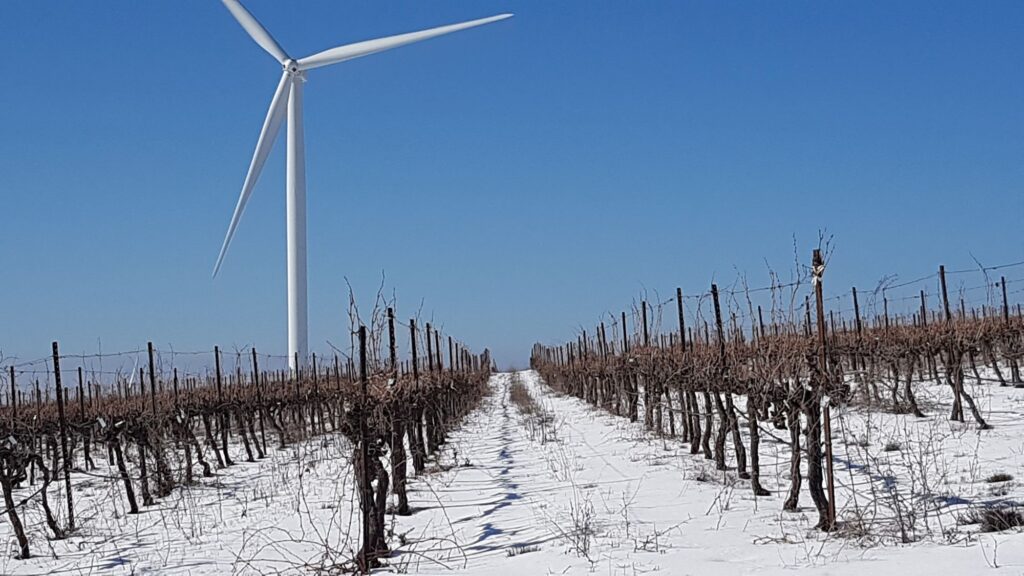
The Samuel Neaman Institute conducted a research for Noga on the topic of “A roadmap for the independent system operation of the electricity in 2040”.
The research was published on Noga’s website and can also be viewed here
Startup Companies in Times of Crisis – Insights

In 2023, the Israeli high-tech sector faced a crisis in investment due to legal changes, a global economic downturn, and later, the impact of the Iron Sword conflict. The United States and Europe also experienced a decline in high-tech investments during this year, although at much lower rates than in Israel. Consequently, at the beginning […]
Home: Milestones in Shaping a Policy for the Return of Residents to their Homes at the End of the War
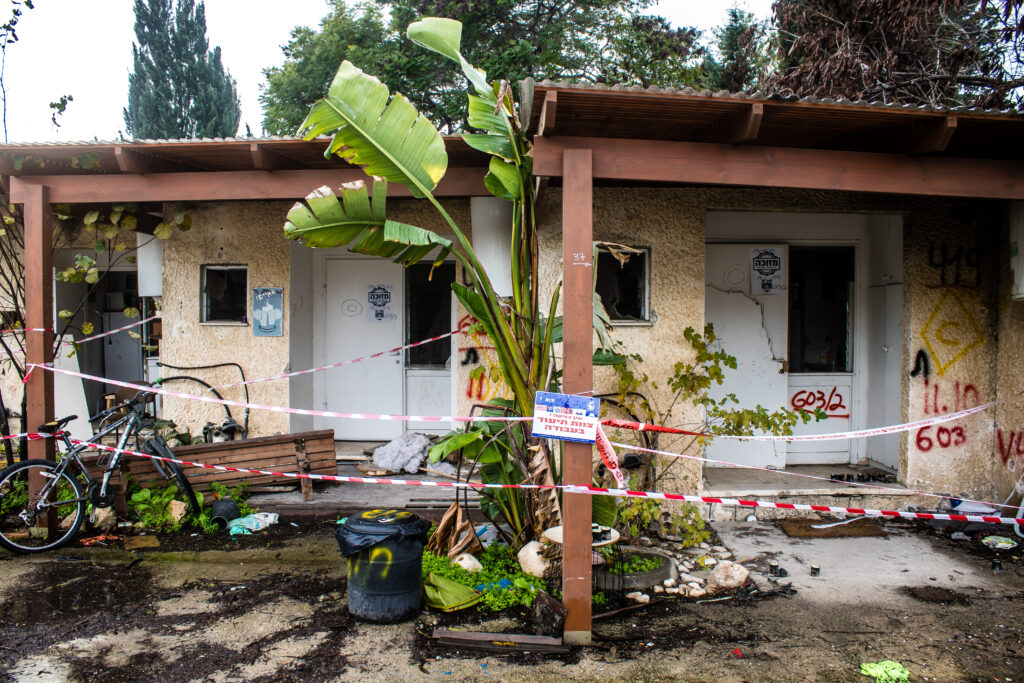
The State of Israel faces an unprecedented situation in its history following the horrific massacre of communities in the South on October 7th. Tens of thousands of residents were evacuated from their homes, initially from the Gaza Envelope area and later from the northern border. At the time of writing, three months after the outbreak […]
R&D Outputs in Israel: International Comparison of Scientific Publications, 2023

This report presents the findings of a bibliometric analysis conducted in 2023, examining the evolution of Israel’s research outputs over time and comparing them on an international scale. The report offers insights into research productivity and the global scientific impact of Israeli research.
R&D Indicators in the Government Sector and Government Research Institutions
The report evaluates government research institutes in Israel and provides an international benchmarking analysis with selected public-sector R&D systems or research institutes globally.
Science, Technology and Innovation Indicators in Israel: An International Comparison -2023 – Part a – Key figures
The report consolidates a diverse range of metrics, which are analyzed, organized, and presented in tables and visualization. It tracks trends over time and compares Israel’s performance to selected countries. The analysis includes insights, dividing the data into three main chapters: the business sector, the governmental sector, and the higher education sector. An additional section focuses on national R&D expenditure, detailing its distribution across these sectors and offering international comparisons.
Manpower Needs in the Maritime Sector as a National Resource
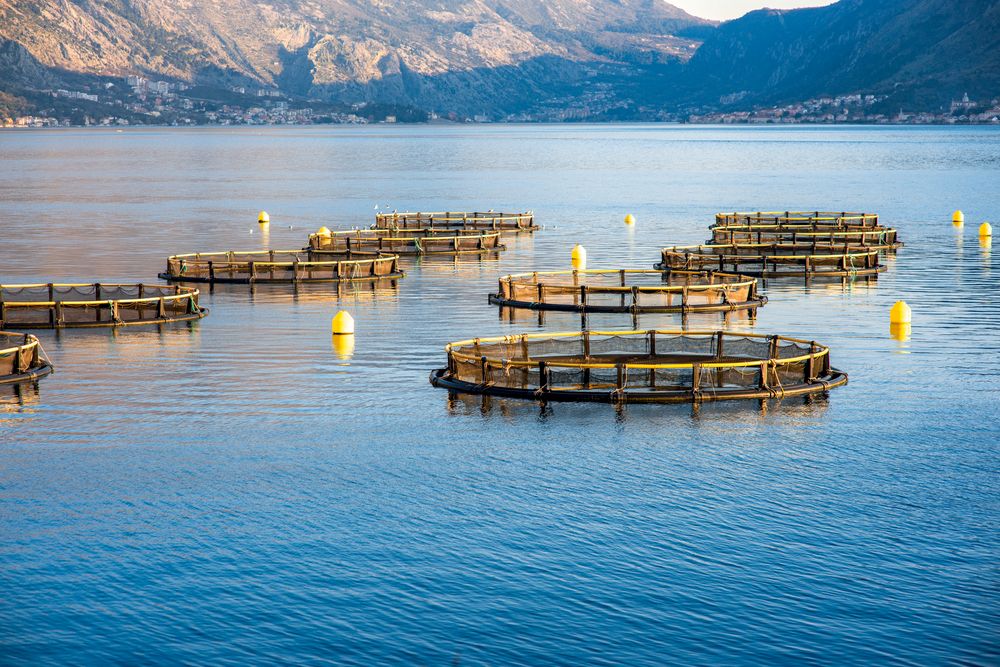
This report summarizes Part A of the work. The research aims to examine the following aspects in the field of ‘The Sea as a National Resource’: what professional disciplines are required, what educational continuum is currently provided within academic institutions, what human resource needs will be required in the field, what gaps exist, and what recommendations are needed to fill these gaps. The work will help expand understanding and knowledge regarding future scientific and technological human resource requirements for the field, providing background and a situation assessment that will contribute to policy-making processes and strategy development for investments in human resource training.