
A National Framework for Training and Placement of Health Professions Students in Disaster Scenarios

This policy paper presents a national program for the training and placement of health professions students, particularly medical students, for disaster scenarios. The program was developed at the Samuel Neaman Institute for National Policy Research at the Technion, in response to a request by the Ministry of Health to the Forum of Medical School Deans […]
The National Skills Interface Program in STEM Subjects -Summary Report 2012-2015 and towards 2026
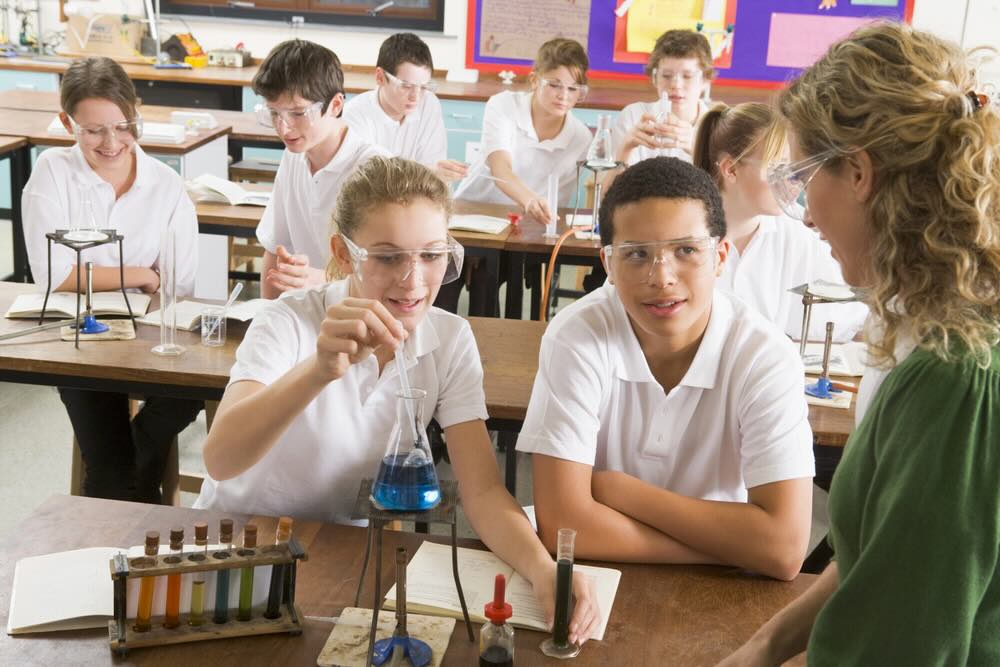
We live in an era where the pace of technological, economic and social change is faster than ever. The world of work is constantly evolving, and skills that were considered essential in the past may lose their importance, while new skills become critical to success. In this dynamic reality, the education system faces a huge […]
The Shared Core of Israel’s Public School System – Policy Paper – Intermediate Report

The interim report of “The Shared Core of the School System” project presents the research conducted to describe Israel’s public education system and to map the communalities across its various educational factions. The report outlines the legal guidelines and government regulations that define the de jure structure of the system and illustrates their implications through an analysis […]
The National Plan to Reduce Food Loss and Waste

The Ministry of Environmental Protection led the development of the national program, in collaboration with the Ministry of Agriculture and Food Security, with professional support from the Environment and Energy Cluster at Samuel Neaman Institute.
Water and Land Resources in Israel, 2050

This report examines the land and water resources required to meet Israel’s food security goals for 2050, with a focus on crop-based agriculture. Its objectives are to assess the current situation, estimate future needs, identify resource gaps, and propose measures to address them.
From Academia to Public Service: Strategies to Improve Collaboration Between Universities and Government and to Boost Students’ Interest in Public Service

This paper proposes several courses of action for mobilizing Israeli academia to strengthen the public service
How Deep is the Pit? Long-Term Building Maintenance Debt of Multiple-Ownership Residential Buildings in Israel

This study seeks to quantify the current and future long-term maintenance debt borne by Jewish households in such buildings and to stimulate public and policy discourse on the necessity of sustainable funding mechanisms
Innovation and R&D for Achieving Food Security Goals in Israel 2050
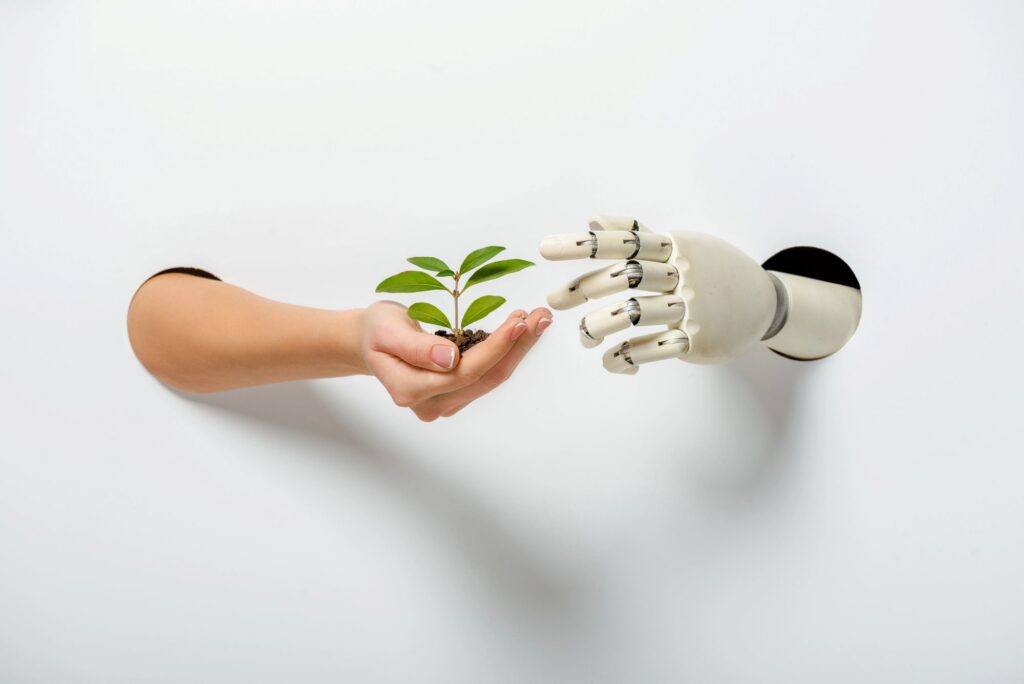
This report presents a systemic approach that integrates innovation and R&D to achieve Israel’s food security goals for 2050. The report was prepared as part of developing a national food security policy at the Samuel Neaman Institute.
Operational Recommendations for Promoting Policy to Ensure Educational Continuity During Prolonged Emergencies in the Israeli Education System
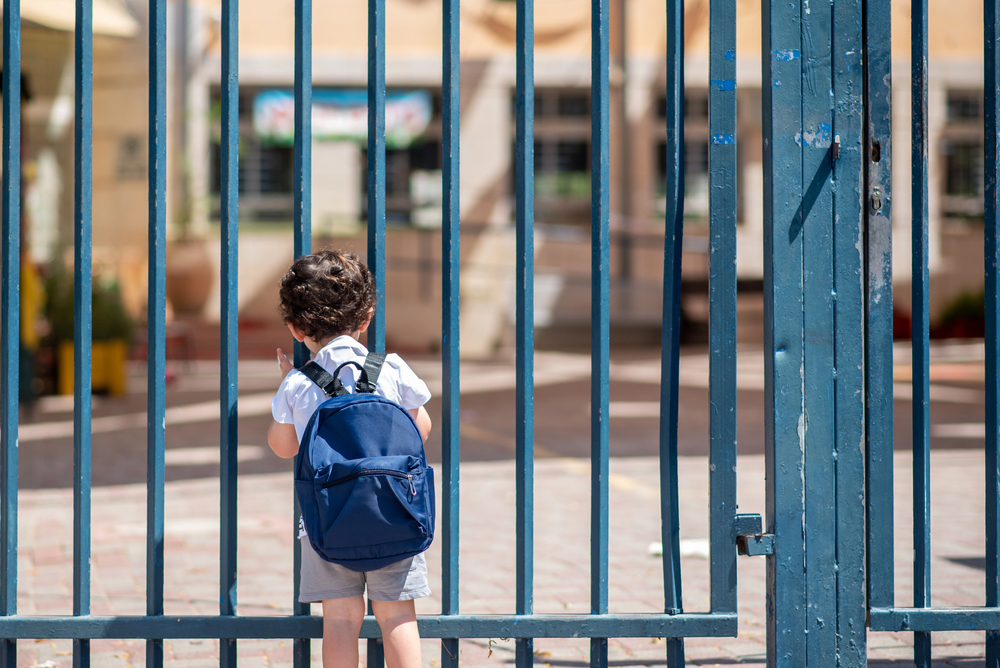
This report summarizes Phase B of the “Education in Crisis” Forum, established at the Samuel Neaman Institute for National Policy Research following the outbreak of the October 2023 war. During its operation, the forum applied a risk management model. This report outlines nine proposed actions for implementation, developed during Phase B of the forum’s activity. These actions are presented at three levels The national level, The education system level, The educational team level — including teachers, principals, and school leaders.
The Academic Boycott of Israel | Status Report for June 2025

The comprehensive report by the Samuel Neaman Institute provides an in-depth analysis of the academic boycott against Israel, focusing on the impact of BDS (Boycott, Divestment, Sanctions) activities on the Israeli higher education system and research community. It highlights the growing threat these campaigns pose to Israel’s global academic standing, which has long been marked by scientific excellence, extensive international collaborations, and strong research output.
The report documents cases of political filtering, institutional exclusion, and both overt and covert boycotts of Israeli scholars. These practices are increasingly affecting academic advancement, international visibility, and the ability to attract foreign students—posing a serious and escalating threat to Israeli academia.
Situating the boycott within a broader context of delegitimization efforts and rising global antisemitism, the report reveals links between hostile states funding and anti-Israel activism on U.S. and European campuses. It warns of the infiltration of radical political narratives into the humanities, suppression of pro-Israel voices, and growing ideological censorship, all of which erode core principles of academic freedom.
In response, the report outlines a series of actionable recommendations across three levels—national, institutional, and individual. These include enhancing international advocacy, establishing mechanisms to monitor and address boycott incidents, forging new global partnerships, creating a network of “academic ambassadors,” and providing the necessary tools, including legal support, to affected researchers. The central conclusion is that a coordinated, multidisciplinary, and long-term strategy—rooted in sound strategic planning—is essential to ensure Israel’s continued scientific prosperity despite the challenges posed by academic boycotts