
Water, Rivers and Sea
Samuel Neaman Institute’s studies examine various aspects of the field of water in Israel, including the implications of the transition of the Israeli water sector from natural sources to reclaimed and desalinated water, water and agriculture, river restoration and the relationship between water, the public and the nature.
Human Capital in Science, Technology & Innovation – National and Societal Needs

This study was conducted as part of a four-year tender for the National Council for Research and Development in the Ministry of Science and Technology. The objective of this study is to forecasts the needs of scientific and technological personnel for selected fields/professions for the short term (10 years).
Transportation

Samuel Neaman Institute’s publications in the field examine, among others, the environmental impacts of the various means of transportation and the policy required to reduce them, the benefits and barriers to integrating oil substitutes in the transportation sector, including, electric transportation, waste-based and bio-ethanol fuel substitutes, and the economic benefits of transportation projects such as road tunneling and more.
Natural Gas and Oil

Samuel Neaman Institute’s studies in this field address all aspects of the use of fossil fuels and also include a number of studies carried out for the Ministry of Environmental Protection and the Ministry of Energy to examine the environmental impacts of natural gas as a source of fuels for transportation.
Sustainable Developmentent

Samuel Neaman Institute’s publications in the field discuss the challenges and opportunities arising from a situation of lack of resources – land, energy, water, food and raw materials in industry. The studies present analyses of the existing situation, along with the potential for efficiency improvements and innovation and the leverage of Israeli Environmental R&D, agriculture and industry.
Innovation – Environmental Technologies

Samuel Neaman Institute’s publications indicate the necessary steps for the State of Israel to utilize the potential inherent in this market – both for improving the quality of life and the environment in Israel and for the opportunity to export knowledge and technologies and create jobs in the field. The works reflect the main trends in the world, map the uniqueness and relative advantage of the Israeli economy and shed light on the barriers facing entrepreneurs, investors and industries in Israel. In addition, the policy papers detail basic principles for designing a supportive policy.
Agriculture and Environment
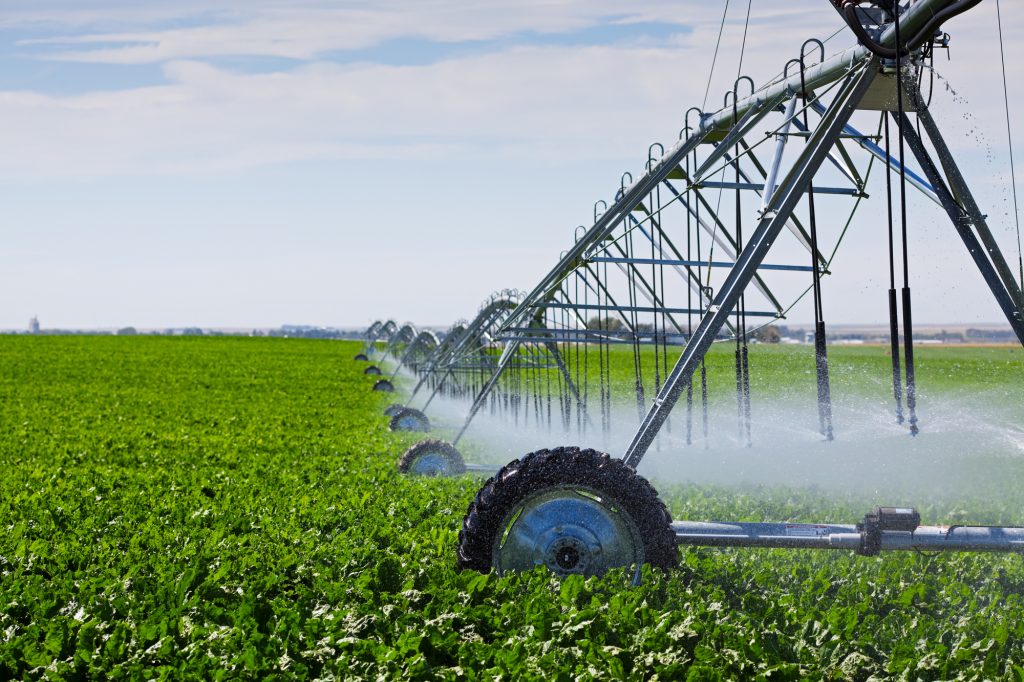
Samuel Neaman Institute’s publications examine various aspects of the field of agriculture in Israel, including the social contributions of agriculture; the possibilities for developing sustainable agriculture in conditions of scarcity; sustainable aquaculture; development and adoption of innovation and information technology in agriculture; issues in the management interface between agriculture and water, and more.
Climate Change – Mitigation

Climate change attracts worldwide attention because of the environmental, economic and social implications. Samuel Neaman Institute’s studies in this field include means to reduce greenhouse gas emissions (mitigation) and their purpose is to describe and analyze emissions and provide a scientific basis for formulating national policies in various fields, including energy production, transportation, industry, construction, agriculture, water and more.
Scholarly Output in Israel: International Comparison of Scientific Publications

Bibliometrics is a type of research method that uses quantitative analysis and statistics to describe patterns of publications within a given field of literature. Alongside the peer evaluation method, bibliometrics is being used to evaluate the textual output of research (academic papers, patents), by measuring its productivity, quality and priority.
Indicators for Science, Technology and Innovation in Israel

At the beginning of the 21st century, the Samuel Neaman Institute identified the need to establish an infrastructure for advancing a systematic and ongoing process of forming national policy on Science, Technology, and Innovation (STI). The objective of this program is to improve the understanding of the STI system of Israel and to answer the question of how processes associated with the development of science, technology, and innovation contribute to increased knowledge, increased productivity, improved economic performance, professional employment, Sustainable developmentent, and social welfare. Understanding of the process is based on the collection, analysis, and correct presentation of the various relevant indices and on the analysis of trends as they change over time and in comparison with other countries.