
Integration of Sustainability Principles in Engineering Education

The document addresses the critical need for engineering education to evolve and integrate sustainability and Circular Economy (CE) principles as core competencies. This transition is driven by global changes like climate change, resource depletion, and pollution, and is an integral part of the last wave (sixth) of the innovation waves characterized by cleantech and AI. […]
Faculty Attitudes in Universities and Colleges Toward the Integration of Core Skills and Competencies into Academic Courses

Background The study was conducted by the Samuel Neaman Institute for the Rothschild Bridge for Higher Education and Employment (EDRE). It examined the attitudes of higher-education leadership, teaching and learning centers, and academic faculty members regarding the integration of core skills and competencies into academic courses. This topic is grounded in a global consensus that, […]
Between Bridges and Barriers: Jews, Arabs, and the State in a Transforming Israel | Jewish–Arab Survey 2025

During 2025, a new wave of the “Arab–Jewish Relations Index in Israel” survey was conducted amid major regional and domestic events, including the war in Gaza, the war against Iran, and widespread protests calling for the return of hostages held by Hamas. As in previous cycles, the study surveyed both Arab and Jewish populations. The […]
The essence and purpose of universities

The university, from its inception in the Middle Ages to the present, has sought to cultivate and transmit knowledge for its own sake—knowledge that does not necessarily yield practical benefits. Advancing knowledge whose primary purpose is to deepen understanding of reality in its many facets does not align with societal expectations. Society seeks the university’s […]
The Dual-Use Dilemma: Ethics and Accountability in Israeli R&D – Panel Report
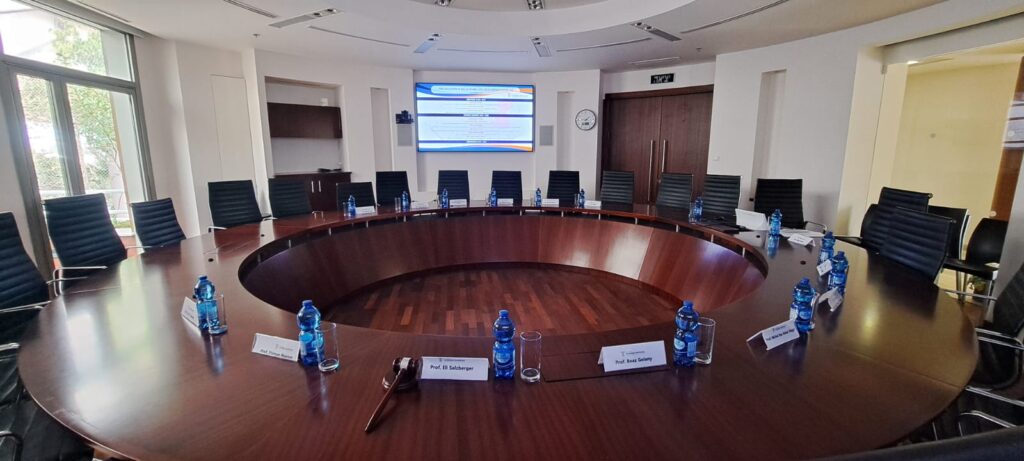
The panel discussion, “The Dual-Use Dilemma: Ethics and Accountability in Israeli R&D,” held on November 3, 2025 at the Samuel Neaman Institute and attended by Mr. Michael Mann, the European Union Ambassador to Israel, brought together leading researchers, policymakers, and representatives of the European Union for an in-depth conversation on the ethical, legal, and political […]
Science, Technology and Innovation Indicators in Israel: An International Comparison 2024 – Extended Topic: R&D and Innovation in the Fields of Life Sciences and Health, Agri-Food-Tech, Energy and Climate-Tech. Indicators and Current Situation in Israel

This report was prepared as part of the national tender “developing a comprehensive national policy for advancing scientific research in Israel”, commissioned by the National Council for Research and Development at the Ministry of Innovation, Science and Technology. Its goal is to provide a comparative data infrastructure to support decision makers in three key areas: […]
Indicators for Assessing Research-Based Public Engagement of Academic Faculty Members in Israel.
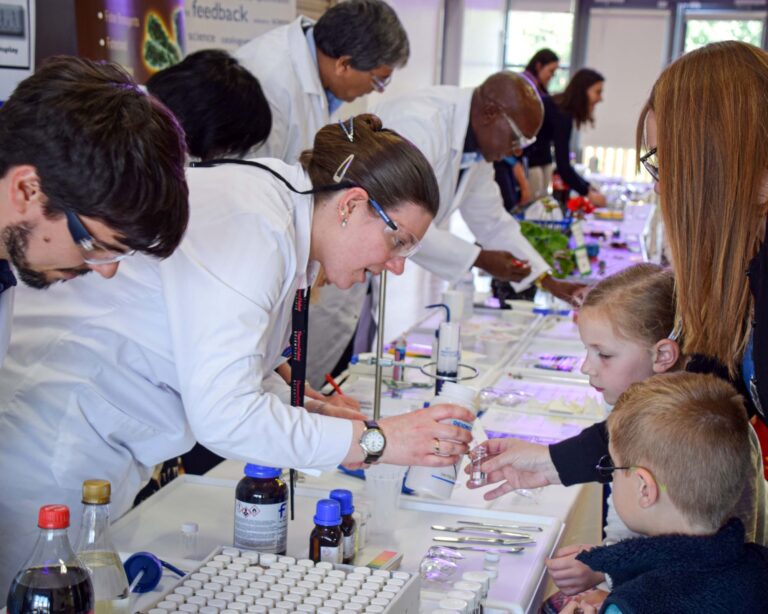
The study examined the research-based public engagement of academic faculty members in Israel and its impact on their academic careers, focusing on two fields: Public Health and Environmental Studies. Its aim was to develop indicators for evaluating public engagement and to explore ways of integrating this dimension into institutional evaluation, promotion, and reward mechanisms.
Social Responsibility in Technological-Scientific Universities – An International Review

By analyzing their approaches to social responsibility as an integral part of organizational culture, this international review seeks to illuminate the ways in which universities navigate their role as agents of positive social change while preserving their academic missions and values.
From Academia to Public Service: Strategies to Improve Collaboration Between Universities and Government and to Boost Students’ Interest in Public Service

This paper proposes several courses of action for mobilizing Israeli academia to strengthen the public service
The Academic Boycott of Israel | Status Report for June 2025

The comprehensive report by the Samuel Neaman Institute provides an in-depth analysis of the academic boycott against Israel, focusing on the impact of BDS (Boycott, Divestment, Sanctions) activities on the Israeli higher education system and research community. It highlights the growing threat these campaigns pose to Israel’s global academic standing, which has long been marked by scientific excellence, extensive international collaborations, and strong research output.
The report documents cases of political filtering, institutional exclusion, and both overt and covert boycotts of Israeli scholars. These practices are increasingly affecting academic advancement, international visibility, and the ability to attract foreign students—posing a serious and escalating threat to Israeli academia.
Situating the boycott within a broader context of delegitimization efforts and rising global antisemitism, the report reveals links between hostile states funding and anti-Israel activism on U.S. and European campuses. It warns of the infiltration of radical political narratives into the humanities, suppression of pro-Israel voices, and growing ideological censorship, all of which erode core principles of academic freedom.
In response, the report outlines a series of actionable recommendations across three levels—national, institutional, and individual. These include enhancing international advocacy, establishing mechanisms to monitor and address boycott incidents, forging new global partnerships, creating a network of “academic ambassadors,” and providing the necessary tools, including legal support, to affected researchers. The central conclusion is that a coordinated, multidisciplinary, and long-term strategy—rooted in sound strategic planning—is essential to ensure Israel’s continued scientific prosperity despite the challenges posed by academic boycotts