

Second-order change: Addressing Trump’s Remarks on the Future of Gaza

Food Security 2050 – Economic-Environmental Assessment
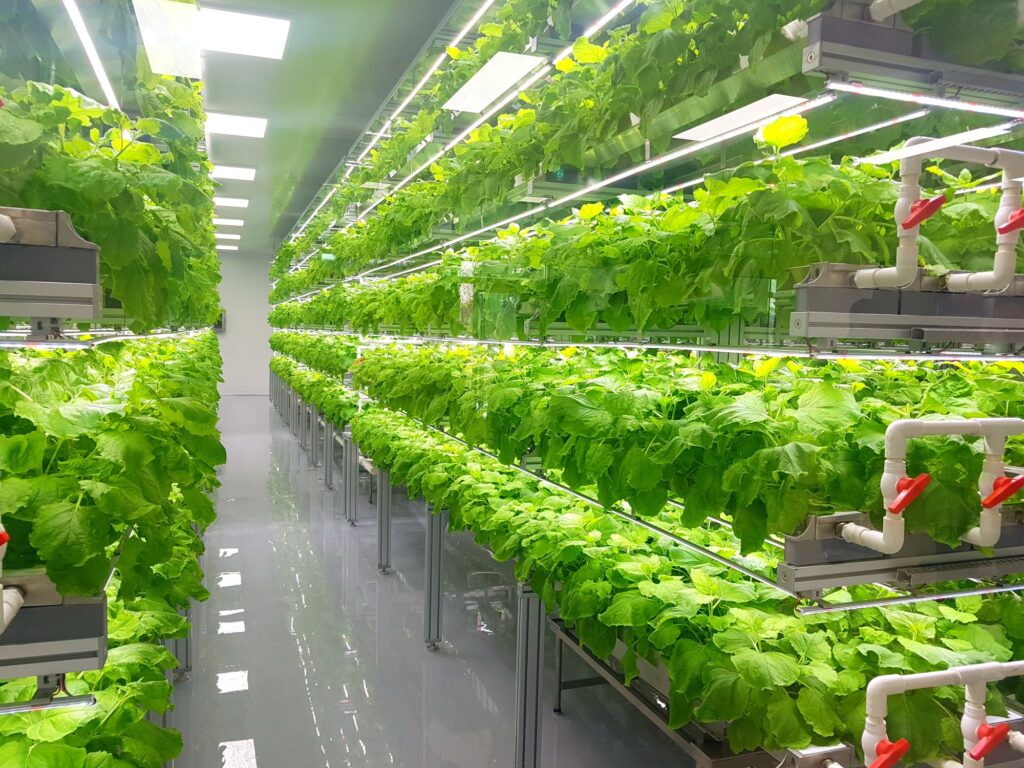
The report analyzes these three central challenges in shaping food security in Israel and the interdependence among them. Thus, the reliance of processing methods on resource management, focusing on the availability and quality of land and water by 2050; the impact of land and water availability, that depend on climate change, on the quantity and quality of food, and especially the production of animal feed and protein; and lastly, the impact of the shift in dietary preferences and demand for various food types on local production volume, resource management, processing methods, and the feasibility to establish food security in Israel.
“The Language of Quality” – A Lexicon of Quality Terms

On AI and Quality in Medicine

Sitting down with an IDF reservist: Student, spouse, father, warrior | Jerusalem Post

Cognitive, affective, and behavioral engagement with science news predicted by the use of accessibility strategies in science-minded and general audiences

Halting the Young Generation Drain with Proactive Leadership

Turning failure into success: The story of Intel Israel’s David Perlmutter | Jerusalem Post
International Round Table Phase I for Advancing Skills in STEM Education

The report outlines the International Round Table for Advancing Skills in STEM Education, which was led by Dr. Eli Eisenberg, Prof. Arnon Bentur, Dr. Avigdor Zonnenshain, and Tamar Dayan in January 2023. The initiative was organized by the Samuel Neaman Institute and involved various central bodies and institutions in Israel and worldwide. The document provides a comprehensive overview of the initiative, its objectives, methodologies, and key insights from the discussions. It aims to develop a common language and practical tools for promoting STEM excellence skills in education.
Living together on multicultural campus: Student’s Perspectives in Israeli Higher Education Institutions

This survey examined attitudes, perceptions, and experiences regarding studying in multicultural academic institutions among Jewish and Arab students in various universities and colleges across Israel. The research provided response to numerous issues related to studying in multicultural academic institutions that were not examined at all by the local scientific research, such as the promotion of universal values by the institutions or the practical consequences of studying in them. It also provided a response to issues that were examined in a relatively limited way in the past, such as perceptions of academic climate in campus, experiences of racism and discrimination, and perceptions of distance, foreignness and alienation inside campuses.