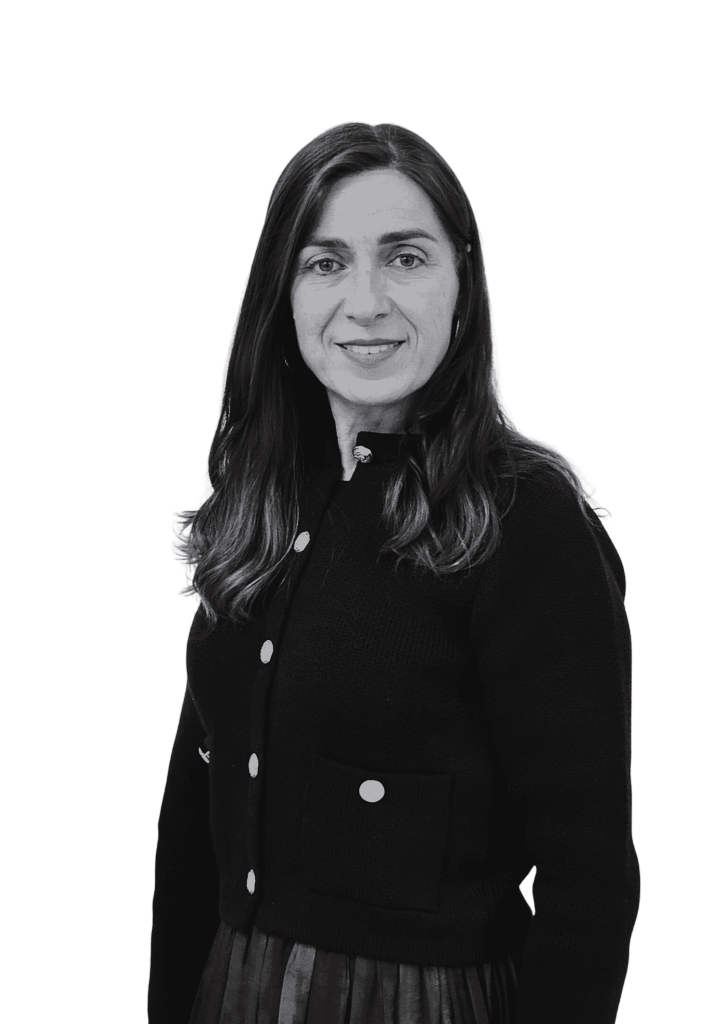
/ Experts / Tikva Ovadiya
Mathematics education: problem solving, problem posing, learning and teaching in diverse environments, including makerspaces and technology, professional development for teachers and teacher educators, and practices that teacher educators use in teacher education
Teaching Certificate, Mathematics Education, computer science
Beit Yaakov Seminar, Haifa, Israel. 1987-1991
B.Ed., Mathematics Education,
Oranim Academic College of Education, Tivon, Israel. 1998
M.A., Mathematics Education,
Haifa University. 2003
Ph.D., Dept. of Education in Technology and Science,
Technion Israel Institute of Technology. 2014
Post-doctoral, Dept. of Education in Technology and Science, Technion Israel Institute of Technology. Advisor: Prof. Orit Hazzan. Topic: Big data – data-driven education in STEM, Israel. 2017-2018
Post-doctoral, Haifa University, Israel. Advisors: Prof. Anat Zohar, Dr. Tsafrir Goldberg, Topic: Characterizing core practices in training teachers in Israel. 2019-2021

Mathematics education: problem solving, problem posing, learning and teaching in diverse environments, including makerspaces and technology, professional development for teachers and teacher educators, and practices that teacher educators use in teacher education
Dr. Tikva Ovadiya is a senior lecturer at Oranim College, where she teaches both undergraduate and graduate programs. With approximately 20 years of experience in teacher training across various roles, she is currently the head of the thesis and dissertation unit within the Faculty of Advanced Studies.
Her research focuses on mathematics education, specifically examining professional development processes for teachers and mathematics teacher educators. She explores problem-solving methods and strategies among diverse groups, including students, teachers, and teacher educators. Additionally, she studies the use of problem-posing in mathematics and science as a tool for the professional development of mathematics and physics teachers. Dr. Ovadiya also investigates the integration of technology into the teaching of mathematics and science across different populations and environments, as well as characterizes teachers’ practices with devices in general.
Recently, she has been particularly interested in researching and implementing strategies to promote mathematics learning within the Haredi community.